Low Expectations, Honest Conditions
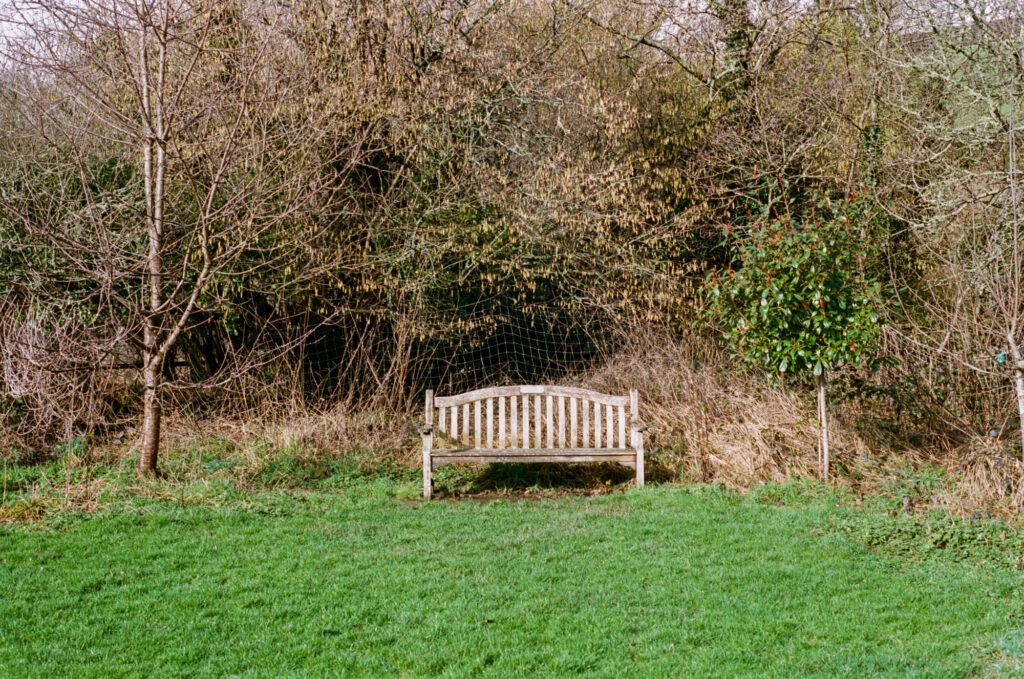
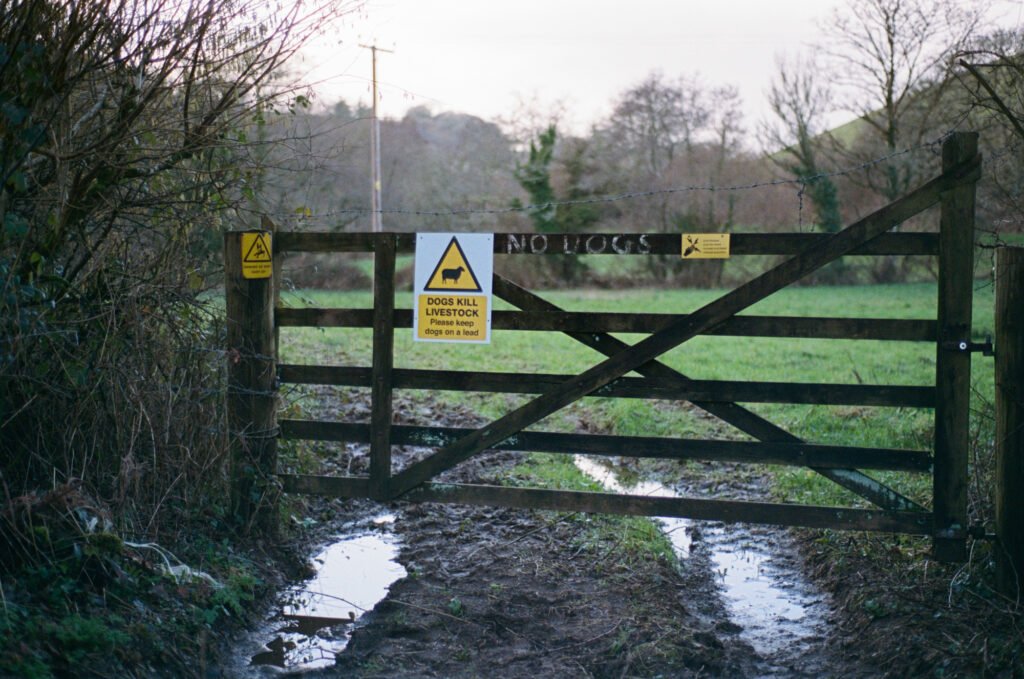
The conditions were, for the most part, drab. Flat light. Muted colours. Damp hedgerows. The sort of weather that makes digital files look even more clinical than usual.
But occasionally, the sun would break through the cloud for a few seconds at a time — just enough to lift the scene, to put a slight glow on the verge or to catch the top of a stone wall.
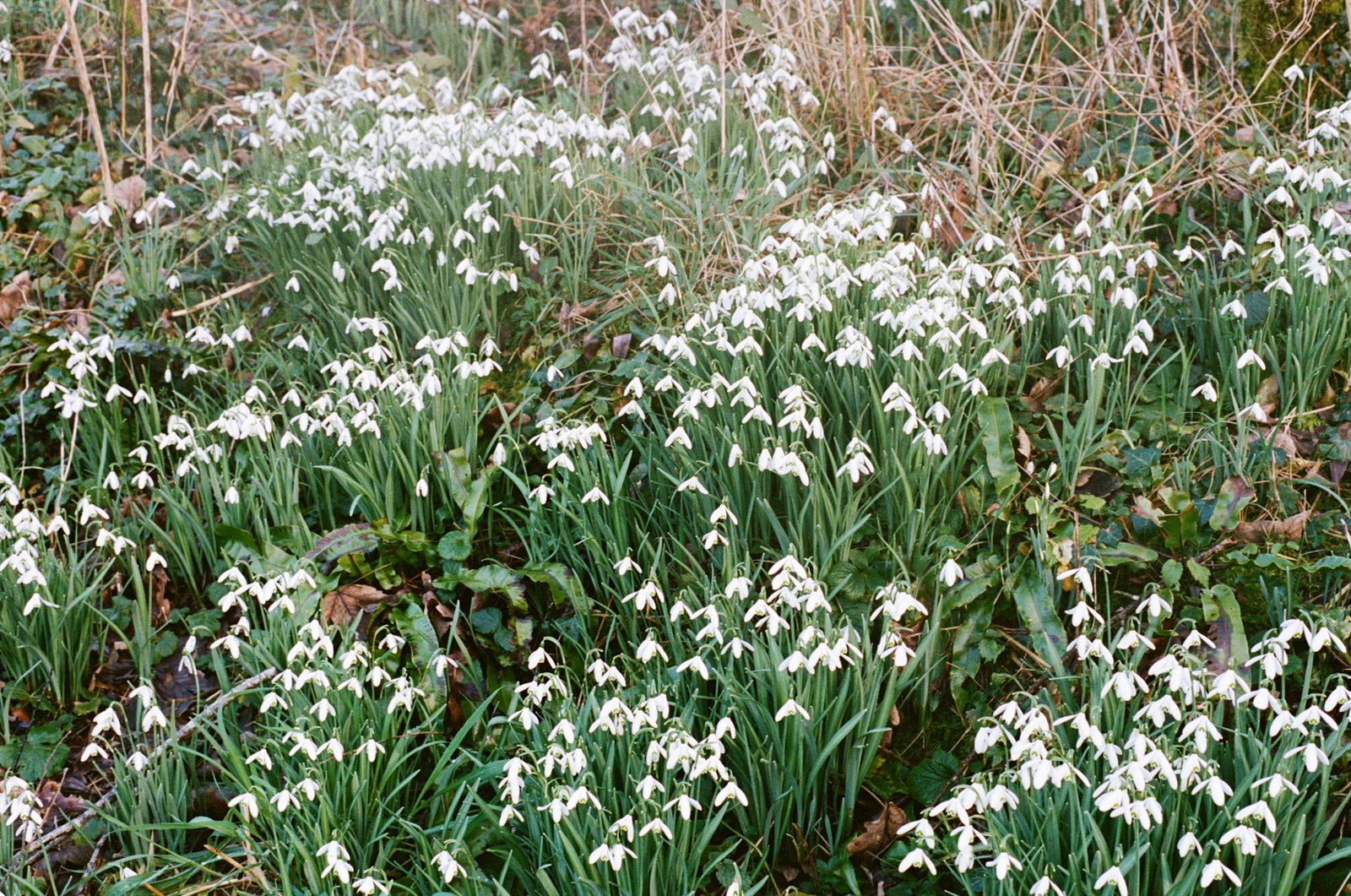
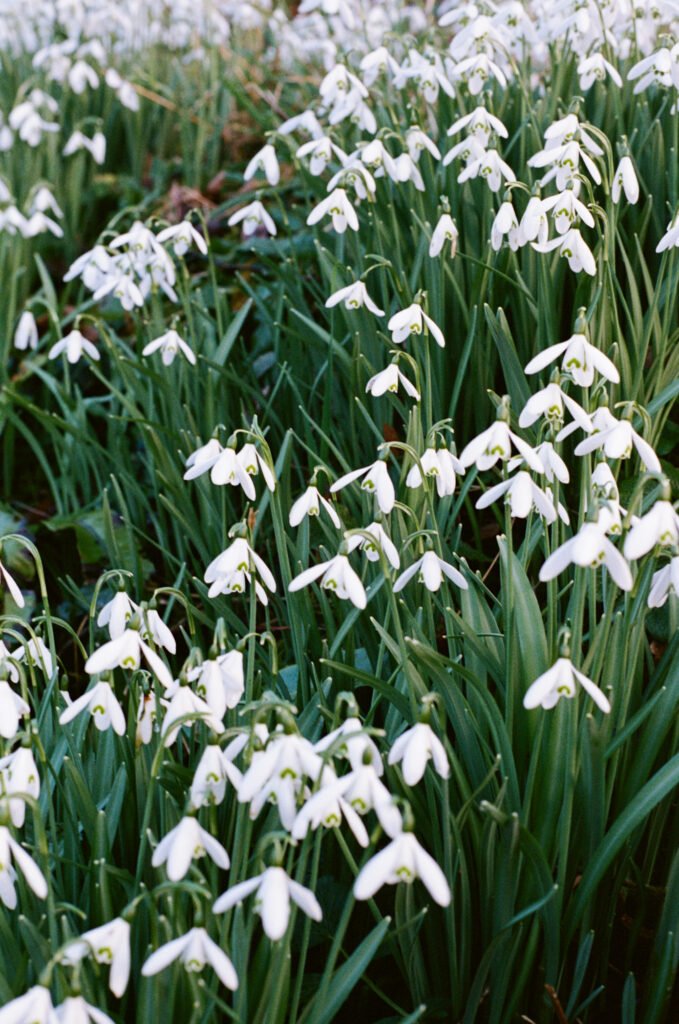
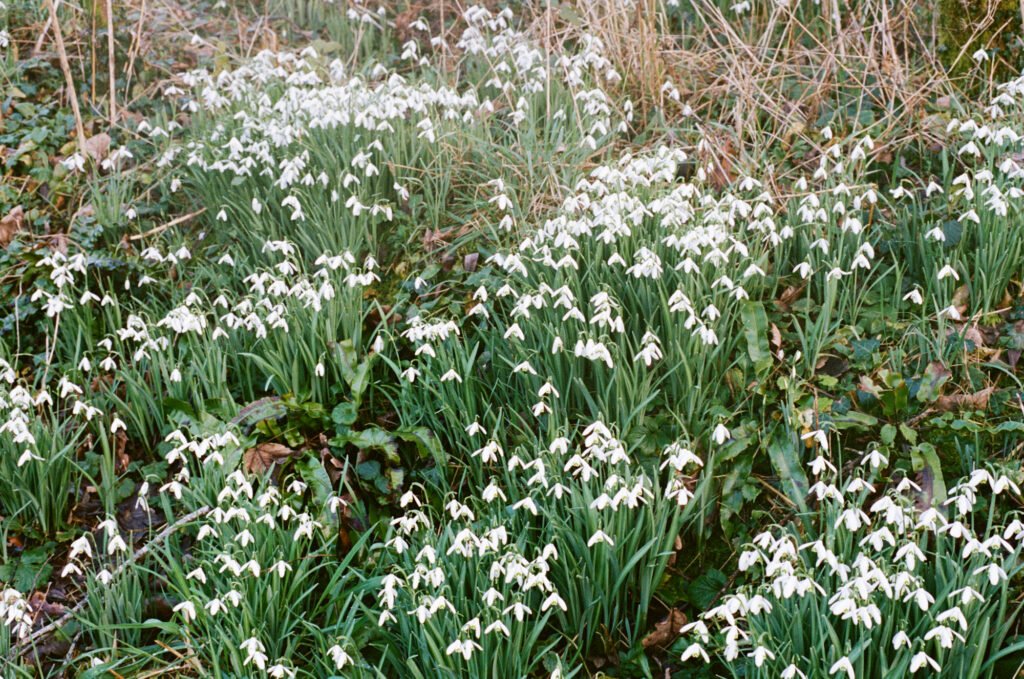
There were snowdrops too. Quiet and defiant, as they always are. Not showy like daffodils. Just small white nods to the fact that winter won’t last forever.
It felt appropriate somehow — my first roll in twenty years being shot not in glorious golden light, but in ordinary conditions. Familiar conditions. The sort of walk I’ve done hundreds of times.
There’s something grounding about not trying to make a masterpiece.
Twenty Years Is a Long Time
It’s strange to think it’s been roughly two decades since I last shot a full roll of film with any intention.
In that time, I’ve owned countless digital cameras. DSLRs. Mirrorless. Medium format. I’ve become used to instant feedback, histograms, dynamic range safety nets. I’ve become used to the idea that if I don’t get it right first time, I can adjust and try again.
Film doesn’t give you that comfort.
There’s a subtle tension when you raise the camera. A small voice that says: This costs money. Don’t waste it.
But interestingly, I didn’t feel pressured. I felt calm.
Thirty-six frames isn’t restrictive — it’s clarifying.
Sending It Off to Be Developed
Once the roll was finished, I sent it off to Analog Wonderland for development and scanning.
There’s something oddly satisfying about posting a roll of film. It feels tangible. Real. You’re physically sending away something you created.
Then you wait.
No chimping.
No Lightroom import.
No scrolling through RAW files at midnight.
Just patience.
When the scans came back, I was genuinely surprised.
First Impressions of Portra 400
I had no real expectations beyond “let’s see what happens”. But the colours were lovely. Soft, yes — but not what I’d describe as pastel. There’s a subtle richness to Portra 400. It doesn’t shout. It doesn’t oversaturate. It just feels… balanced.
In the flat light, it handled things beautifully. Greens weren’t garish. Browns didn’t collapse into mud. The occasional shaft of sunlight lifted the scene in a way that felt organic rather than dramatic.
The snowdrops in particular looked delicate and natural. Not clinically sharp, not digitally crisp — just real.
And perhaps that’s the word.
Real.
There’s a texture to film that’s hard to quantify. It isn’t simply grain. It’s the way tones transition. The way highlights roll off. The way shadows don’t feel crushed even when they’re dark.
Considering it had been twenty years since I last shot a roll, I was more than happy with the results.
The Shooting Experience: Where Things Fell Apart
Here’s where it gets interesting.
The Nikon F501 — one of Nikon’s early autofocus SLRs from the late 1980s — is functional and capable. It’s also… noisy.
Very noisy.
The motor drive is loud. Not charmingly mechanical. Not tactile. Just loud. It winds on with a whirr that feels intrusive in a quiet country lane.
Then there’s the beep.
That autofocus confirmation beep that seems permanently on, and very easily knocked back on if you disable it. A small detail perhaps, but one that grates quickly when you’re trying to work quietly.
What I realised during this walk was that I enjoy silence when I photograph. I enjoy subtlety. I enjoy a camera that doesn’t announce itself.
The F501 feels like a machine from an era when technology was proud of itself. It wants you to know it’s working.
For me, that detracts from the experience.
Film Isn’t Automatically Romantic
There’s a tendency online to romanticise film photography.
It’s slower.
It’s more meaningful.
It makes you a better photographer.
Maybe.
But not automatically.
The F501 reminded me that not all film cameras feel special. Some feel dated. Some feel clunky. Some feel like transitional technology — caught between mechanical purity and modern refinement.
What I found myself craving wasn’t film for film’s sake.
It was simplicity.
Looking Ahead: The Voigtländer Bessa R
This is where the next chapter begins.
I recently picked up a Voigtländer Bessa R — a fully manual rangefinder. No autofocus. No motor drive. No beeping.
Just shutter, aperture, focus.
It will be my first rangefinder experience.
And I’m genuinely excited.
After years of SLRs, DSLRs, and mirrorless cameras, the idea of using a rangefinder feels like learning photography again. Framing without looking through the lens. Accepting parallax. Trusting your focus.
It’s a different relationship with a scene.
The F501 felt like early automation.
The Bessa R feels like intention.
I suspect I’ll enjoy that far more.
The Value of a Small Walk
What struck me most about this entire experience wasn’t the camera or the film.
It was the simplicity of the outing.
I didn’t go to Venice.
I didn’t climb Dartmoor.
I didn’t chase epic light.
I walked a lane near my house.
Sometimes we overlook what’s on our doorstep because it feels too familiar. But familiarity can be freeing. You’re not trying to interpret a place for the first time. You’re just responding to it.
The hedgerows were damp. The tarmac darkened by rain. Moss clung to stone walls. The dog pulled occasionally at the lead.
And in between all that, I made a few frames.
Not portfolio-defining images. Not award winners.
Just honest photographs.
Digital vs Film: An Honest Reflection
I shoot digital 99% of the time. Medium format files. Incredible dynamic range. Pin-sharp lenses. Editing flexibility.
Digital is efficient. Powerful. Professional.
But film introduces uncertainty — and uncertainty introduces presence.
When you can’t check the back of the camera, you’re more engaged with what’s in front of you.
That said, film also introduces inconvenience. Cost. Time. Occasional frustration.
It isn’t superior.
It’s just different.
And perhaps in a world obsessed with optimisation, “different” is enough.
Closing Thoughts
For the past year, that F501 sat in a drawer with a half-forgotten roll of Portra inside it.
It became symbolic of procrastination. Of unfinished ideas.
Now it feels complete.
The roll is shot. Developed. Scanned. Experienced.
I may not use the F501 much again — if at all — but I’m glad I took it out.
Returning to film after twenty years could have been overwhelming. It wasn’t.
It was quiet. Modest. Imperfect.
The weather was dull. The light inconsistent. The motor drive annoyingly loud.
And yet, I came back with images that felt warm and honest.
There’s something reassuring in that.
Photography doesn’t need to be grand. It doesn’t need to be optimised. It doesn’t need to be algorithm-friendly.
Sometimes it’s just a walk down a wet lane, a few snowdrops, and a camera that’s waited long enough.
Next time, it will be the Bessa R.
And that feels like the beginning of something rather than the end.

0 Comments