
Scouting Foggintor Quarry for Sunset and Astro Photography on Dartmoor
I visited Foggintor Quarry one spring evening to scout it as a potential location for sunset and astro photography. Although hazy, the light helped me understand how shadows fall in the quarry, which is smaller than it appears in photos. A wide-angle lens will be essential for dramatic shots, especially for capturing the quarry and nearby ruins under the stars. I took several reference photos and came away feeling inspired—well worth the short walk and a great way to spend an early spring evening.
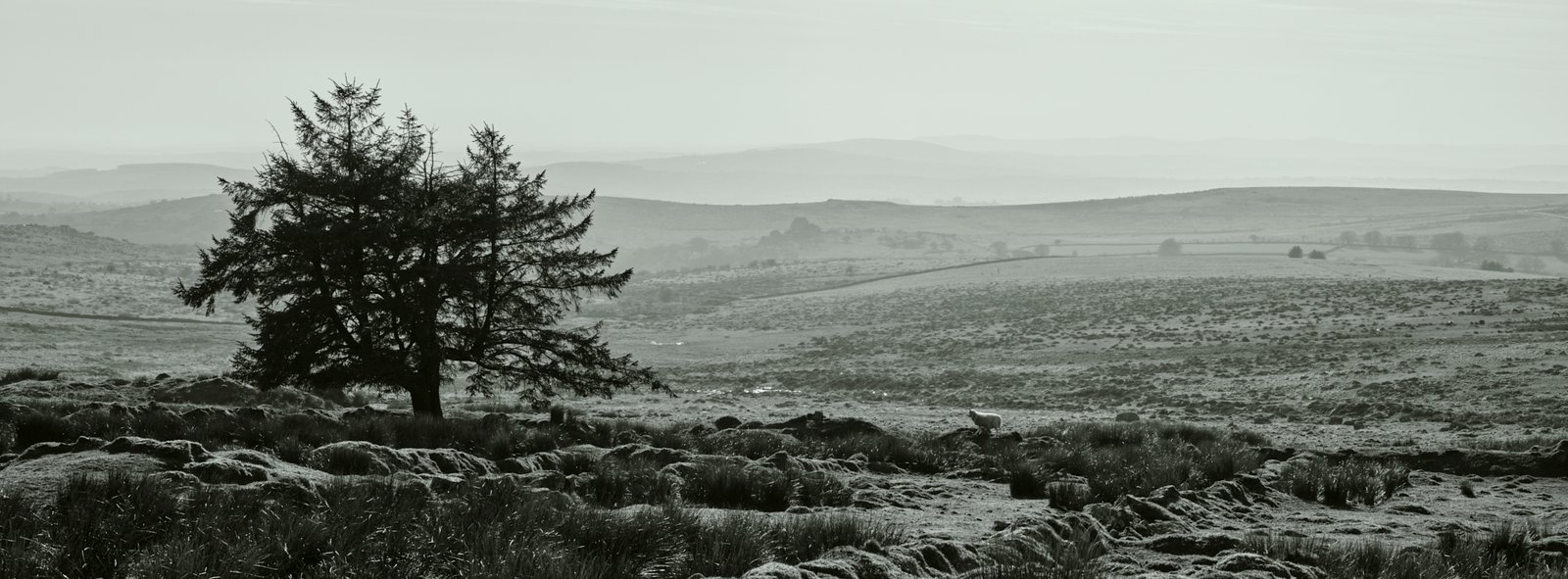
There’s something uniquely satisfying about scouting a new location, especially when it’s as storied and atmospheric as Foggintor Quarry. Yesterday evening, I took a short trip out there with the specific aim of seeing how it might work as a future sunset photography location. While I wasn’t there to take portfolio-worthy shots—this visit was more about exploration and reference—it turned out to be a beautiful way to spend an early spring evening on Dartmoor.
First Impressions
I arrived at the small car park around 5:30pm. The walk to the quarry from there is only about half a mile, a gentle and scenic route that already offered a few surprises along the way. The moorland was starting to show signs of spring—subtle greens returning to the grasses, birdsong scattered on the breeze, and that delicate golden light you only really get in the evenings this time of year.
The quarry itself was busier than I’d expected. A handful of walkers were milling about, some families exploring the rocky terrain, and a few photographers like myself, either scouting or setting up tripods with hopeful anticipation of a dramatic sky. Although it was hazy with soft sunshine, I didn’t mind. This visit was all about planning—figuring out angles, watching where the shadows fell, and thinking about compositions I might return to in better light.
A Smaller Quarry Than Imagined
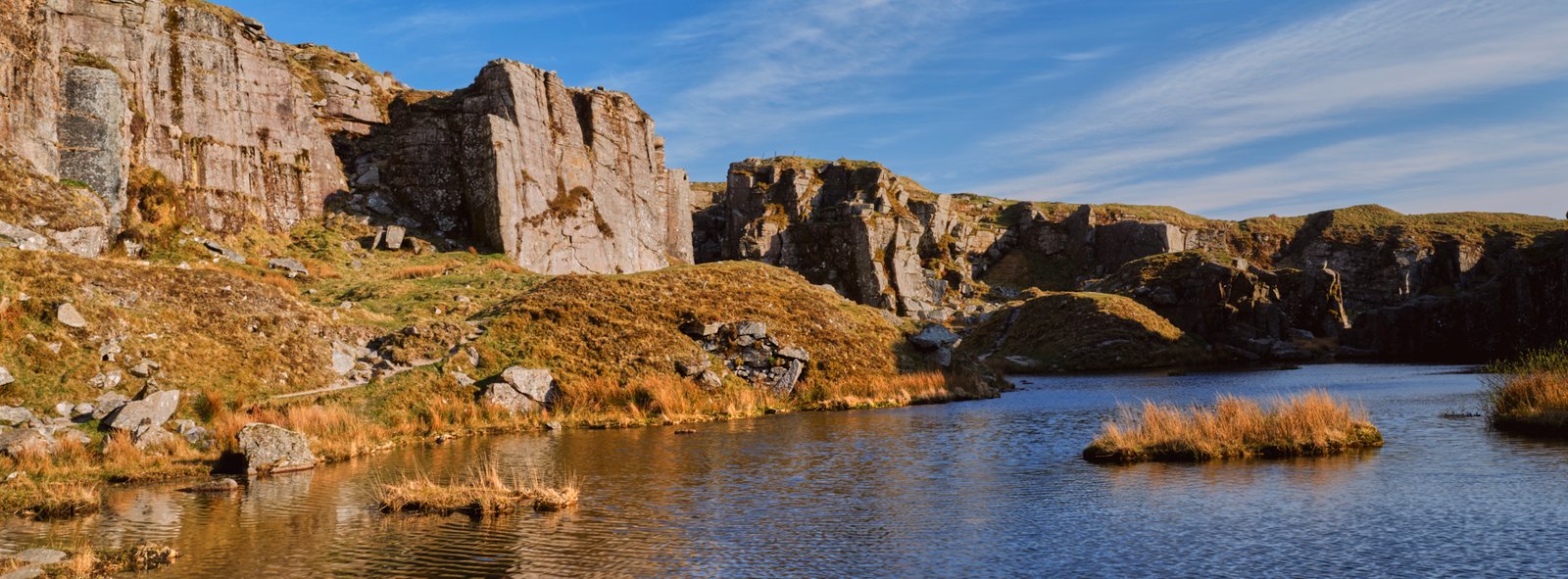
One of the first things that struck me was the size of Foggintor Quarry. In countless photographs I’ve seen online, it often looks vast and imposing, a kind of rugged amphitheatre etched into the landscape. In person, though, it felt more compact. That’s not to say it’s any less photogenic—far from it—but it did bring home the limitations of working without a wide-angle lens.
My current kit just doesn’t quite allow for the dramatic perspectives I’d love to capture here. To truly do justice to the quarry’s scale and form, I’m going to need to invest in a proper wide-angle lens. The kind that lets you exaggerate distance and depth, creating that immersive feeling where foreground rocks lead the eye naturally toward a craggy backdrop and a sky streaked with colour.
For now, I did my best with what I had. I took several reference shots—nothing too serious—but enough to work out what kind of light works best in different areas of the quarry. There are high walls that catch the evening sun beautifully, and in the right conditions, I think they could glow with warm tones as the sun drops behind the horizon.
The Light and Shadows
By arriving around 5:30pm, I had just enough time to see how the light moved across the site. At this time of year, with the sun still low in the sky but lingering longer in the evenings, the shadows in the quarry were deep and dramatic. I noticed a few key spots where the last rays of sunlight fall—perfect for catching golden light on the granite walls or for backlighting small details like tufts of moor grass or weathered rocks.
It also became clear that the direction of light in this location is crucial. Because the quarry is encircled by steep rock faces and uneven terrain, some parts fall into shadow earlier than others. That’s something I’ll need to factor into any future shoot—arriving too late could mean missing the best light altogether, while arriving too early could leave me waiting around for things to align. As ever, timing is everything.
Potential for Astro Photography
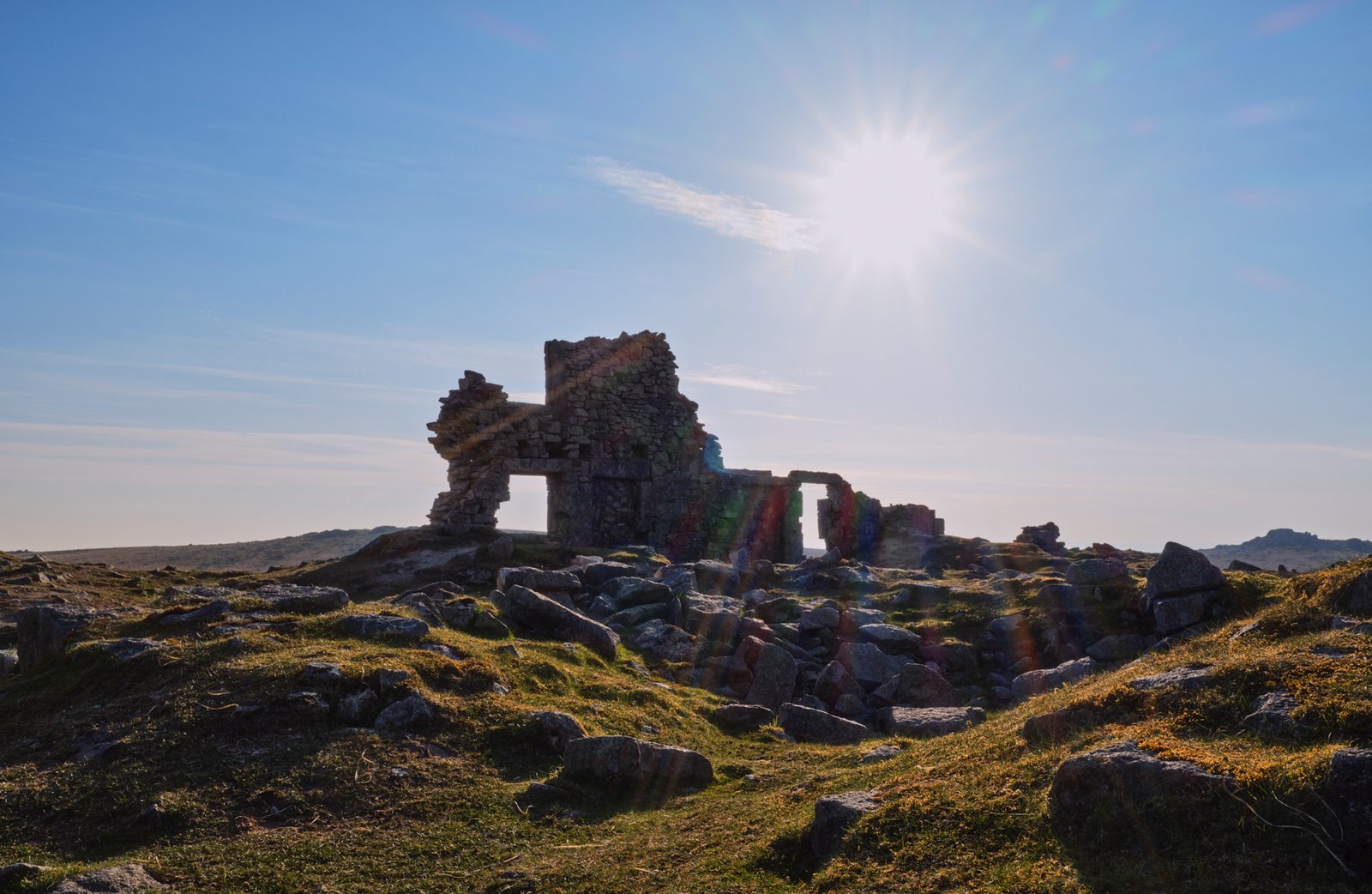
Something else that struck me during my visit was the potential for night-time or astro photography. There are a couple of old quarry buildings near the site, worn down by time but still sturdy enough to stand silhouetted against the night sky. The idea of combining those with a clear Milky Way overhead is incredibly tempting.
The open nature of the site, relatively far from light pollution, makes it a candidate for night shooting. I’ll need to do some planning, of course—checking moon phases, cloud forecasts, and aligning everything with the galactic core if I can. But it’s definitely an idea I’d like to pursue. Again, though, a wide-angle lens will be essential. Without it, the sky simply won’t fill the frame in the way I envision.
Looking Ahead
I came away from the evening with a good sense of what Foggintor Quarry can offer. It’s a place full of potential, but it demands the right equipment and a bit of patience. The textures, the leading lines, the play of light and shadow—all of it is there. It just needs to be captured with care.
I think my next step will be to plan a return visit on a clearer evening, perhaps just after a rain shower when the quarry walls might take on a richer tone. Or maybe during a golden-hour forecast with scattered cloud—those kinds of skies that catch fire as the sun dips below the moorland horizon.
In the meantime, I’ll keep an eye out for that wide-angle lens. It’s been on the wishlist for a while, and trips like this remind me just how valuable it would be. Not just for capturing more of the scene, but for telling a stronger visual story—one that brings the viewer into the heart of the landscape, rather than observing it from a distance.
A Rewarding Spring Evening
Even without that ideal sunset or perfect lens, my visit to Foggintor was a rewarding one. There’s something calming about spending time in a place without the pressure to produce results. To simply observe, plan, and absorb the atmosphere is a pleasure in itself.
It also reminded me how valuable these scouting trips can be. They help me connect with a location on a deeper level—not just technically, but emotionally too. By understanding the quirks of the landscape, the timing of the light, and the practical considerations of access and composition, I’m giving myself the best possible chance of success when I return with intent.
So, that’s the plan. I’ll go back when the conditions are right, when I’ve got that wider field of view in the kit bag, and when the quarry is quiet enough to let the silence speak. Maybe I’ll catch that perfect sunset. Maybe I’ll frame the stars above an old stone wall. Or maybe I’ll just enjoy another walk through this ancient slice of Dartmoor, camera in hand and possibilities ahead.
Whatever happens, it’ll be time well spent.
0 Comments