Using the GFX100S II as a Travel Camera: Real-World Practicality in Venice
Travelling with the GFX100S II in Venice showed that medium format can work as a travel camera, provided you’re comfortable with a slower, more deliberate pace. Handheld shooting with autofocus and image stabilisation worked well, even in low light, while tripod use pushed the experience closer to landscape photography. Weight, visibility, and personal comfort are real considerations, especially in crowded cities, and switching from a long Nikon background comes with a learning curve that custom modes help reduce. Although I didn’t use the camera’s 4K video capability on this trip, its presence adds flexibility for travel. Ultimately, practicality is less about specifications and more about whether the camera allows you to stay present in the place you’re photographing.
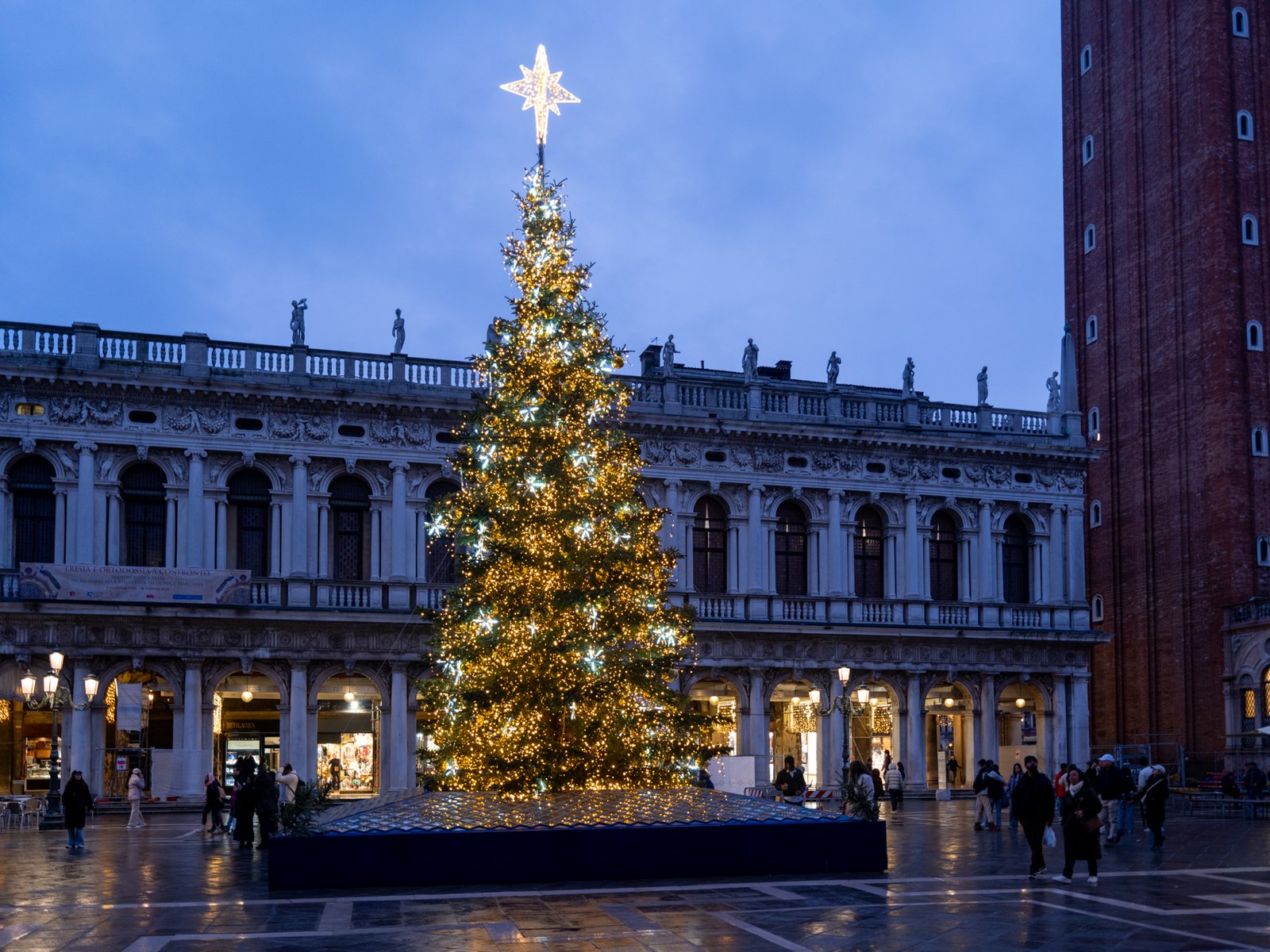
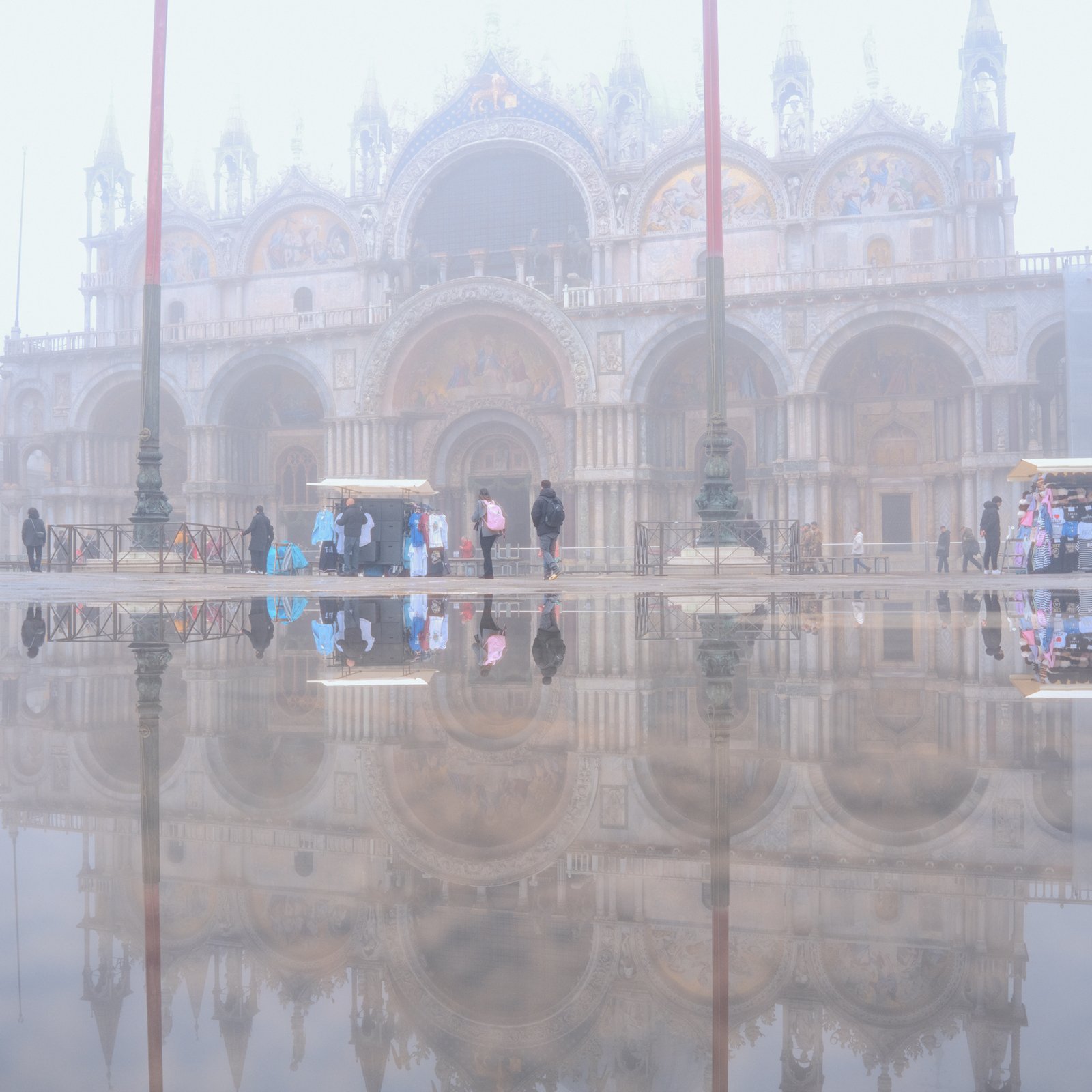
Venice isn’t a forgiving place for indecision. The streets are narrow, the light changes quickly, and you’re almost always moving — either with the flow of people or against it. It’s a city that quietly asks you to commit to how you photograph.
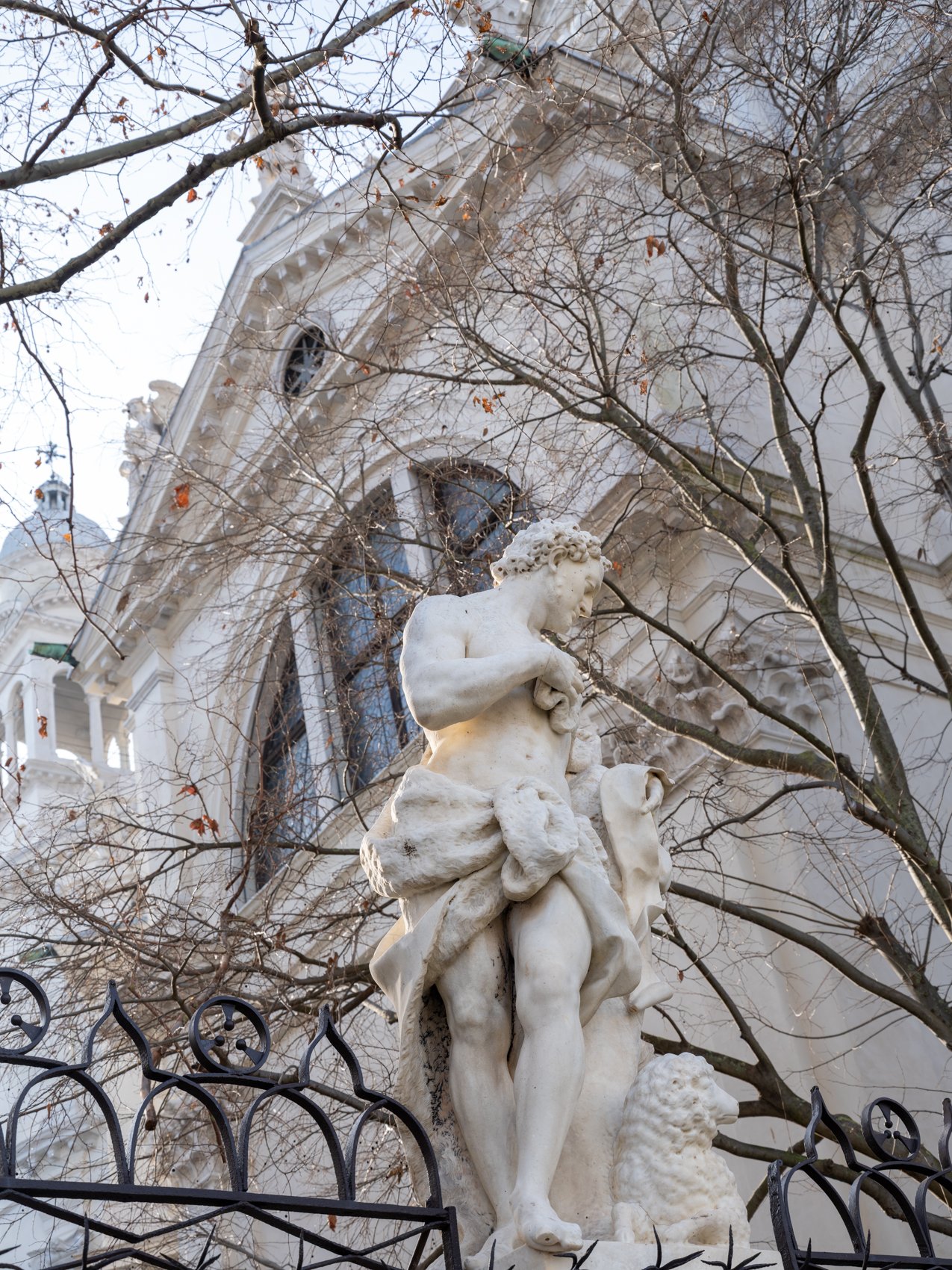
Taking the GFX100S II to Venice wasn’t about testing limits or proving a point. It was simply the camera I wanted to work with, and Venice felt like an honest environment to explore whether a medium format camera could function as a practical travel camera.
What followed wasn’t a revelation, but a series of small observations — about pace, comfort, familiarity, and how much a camera should adapt to the place you’re in.
Carrying the camera: bag vs around the neck
Using a bag naturally led to a more deliberate way of working. That wasn’t really about the GFX itself — it would have been the same with any camera kept in a bag — but it slowed things down in a positive way. Each photograph felt more considered and intentional.
When worn around my neck, the camera felt far more suited to travel photography. It allowed for quicker reactions and a more fluid response to changing scenes, particularly in Venice’s narrower streets. That said, the weight is noticeable over a full day. You do feel it — especially compared to smaller systems — but never enough to stop shooting.
Shooting handheld in a city environment
One thing that surprised me was how naturally the GFX100S II fitted into a relaxed, handheld shooting style. Most images were shot using aperture priority, autofocus, and image stabilisation.
In that context, the camera performed extremely well. Low-light photography was far more forgiving than expected, and image stabilisation played a big part in that. I was able to keep shooting into the evening without constantly worrying about shutter speed.
For a camera of this size, it felt confident and dependable — qualities that matter when travelling.
Tripod work and a landscape mindset
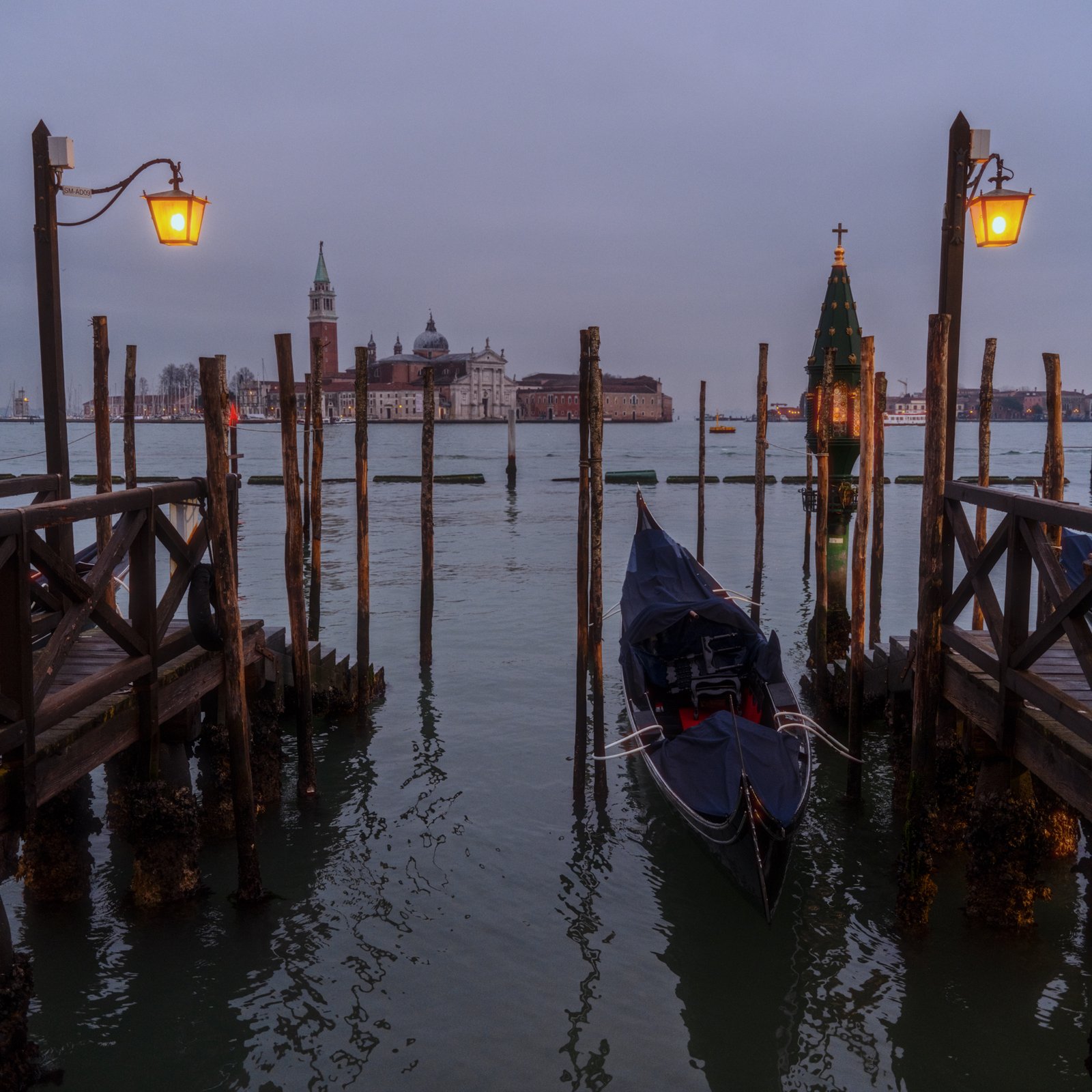
When I switched to using a tripod, my approach changed completely. At that point, it felt much closer to landscape photography than traditional travel photography.
I’d move to manual focus, turn IBIS off, slow everything down, and spend time refining composition. Venice lends itself well to that shift, especially early in the morning when the city feels quieter and more architectural.
This flexibility — from handheld city shooting to slower, tripod-based work — was one of the camera’s biggest strengths.
A note on video capability
One feature I didn’t make use of on this trip, but which is still worth mentioning, is that the GFX100S II offers 4K video capability. That alone adds to its usefulness as a travel camera, particularly for photographers who like to capture short clips alongside stills.
For this visit to Venice, my focus was entirely on still photography. The pace of the city, especially in quieter moments, encouraged observation rather than motion, and still images felt like the right fit for how I was experiencing the place.
That said, having 4K video available does add flexibility. It means the camera can realistically cover both stills and video on a trip without needing a second body — even if that capability isn’t always used.
Moving from Nikon: familiarity takes time
After nearly twenty years using Nikon cameras, I’m still finding my way around the GFX menu system. That isn’t a criticism — it’s simply the reality of changing systems after so long. Muscle memory takes time to rebuild, and in a travel setting that can lead to unnecessary faffing.
To reduce that friction, I set up several custom shooting modes on the C1–C6 dial. This allowed me to switch quickly between familiar setups without diving into menus. It didn’t remove the learning curve, but it helped keep the experience fluid.
In travel photography, reducing small interruptions matters more than mastering every menu option.
Comfort, visibility, and crowded cities
There’s also the question of comfort and personal safety — something photographers don’t always talk about honestly.
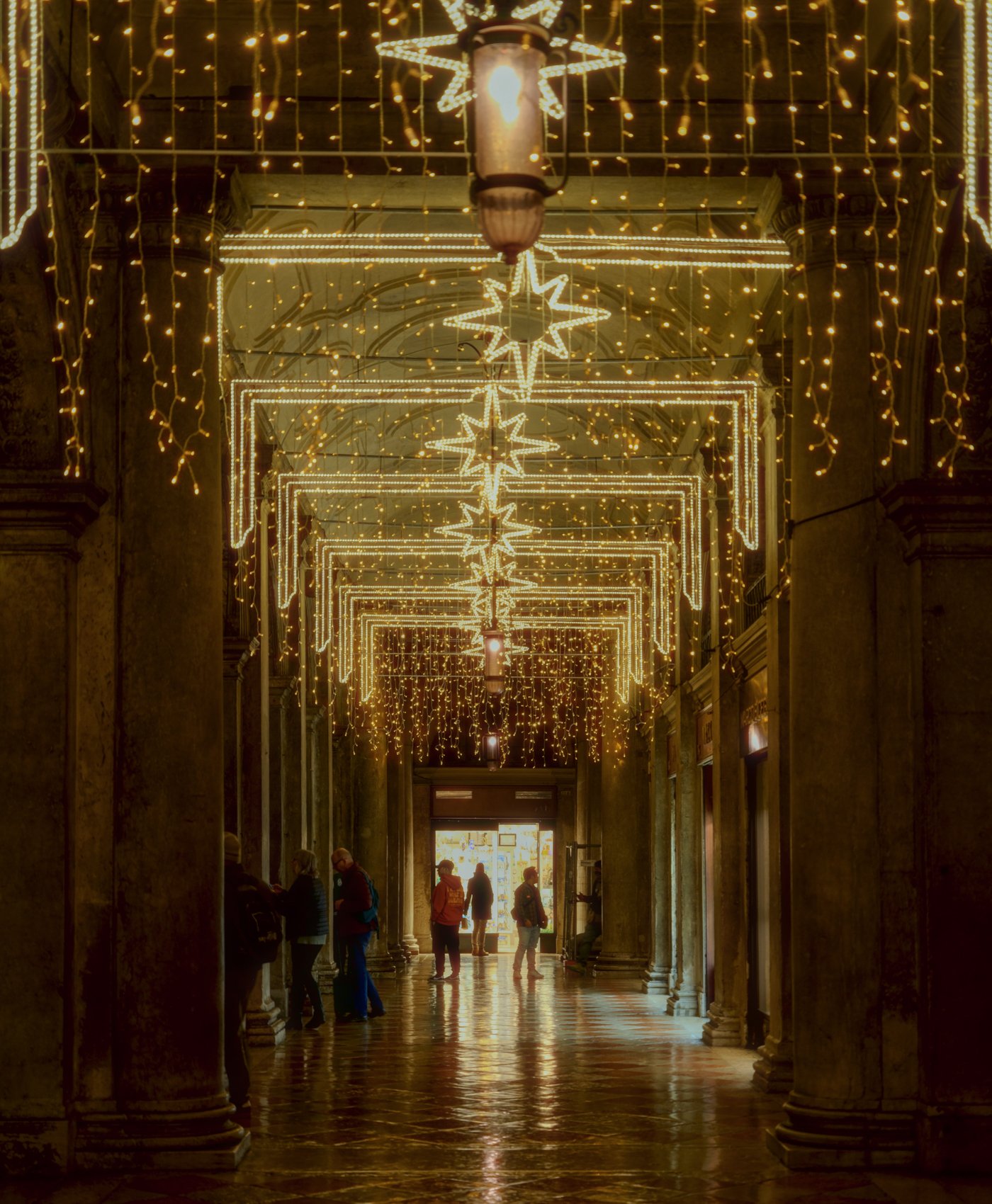
While I enjoyed using the GFX in Venice, I’m not sure how comfortable I would feel using it in a city like London. In very crowded environments, where even a watch can draw attention, carrying a large, visibly premium camera can subtly change how relaxed you feel.
That background awareness can affect how present you are. For me, photography works best when that noise stays quiet.
Looking ahead: Valencia and a simpler carry
My next trip is to Valencia, and I’ll be taking a simple, inexpensive messenger bag to see how it performs. Not because it’s perfect, but because how you carry a camera often dictates how you shoot.
A messenger bag feels more aligned with how I move through a city: quicker to access, less visually “photographic”, and easier to live with when stopping briefly and moving on again. It may change the rhythm compared to Venice — and that’s part of what I’m interested in exploring.
Choosing the right camera for the place
None of this makes the GFX100S II impractical as a travel camera. It simply means it isn’t the right tool for every environment.
In cities where I feel relaxed and unhurried, it encourages a slower, more thoughtful way of working that I value. In places where crowd density and visibility become factors, I’d likely choose something smaller — not because of image quality, but because peace of mind matters.
Photography should add to the experience of being somewhere, not sit uneasily on your shoulder throughout the day.
Final thoughts
Practicality isn’t just about weight, autofocus, stabilisation, or video specifications. It’s about how a camera fits into a place — physically, socially, and emotionally.
The GFX100S II works remarkably well as a travel camera when the conditions are right. Knowing when those conditions aren’t right is just as important.
In Venice, the camera didn’t dictate how I photographed. It simply followed the pace I chose.
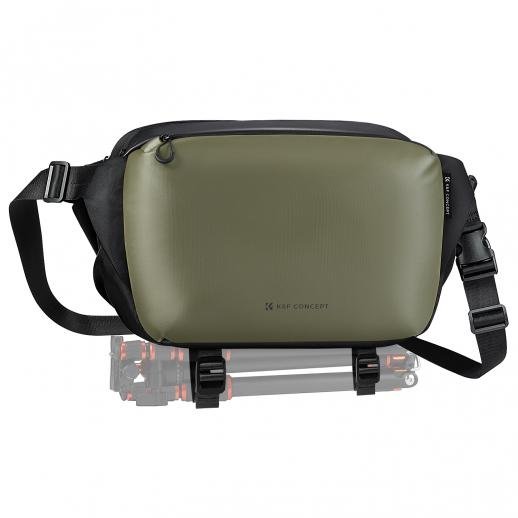
As an experiment, I’ve ordered a K&F messenger bag to see whether it’s better suited to travel photography than my Shimoda Explore V2 35L. The aim isn’t to carry more, but to move more freely and feel less encumbered in a city environment. If the messenger-style carry proves successful, I’ll likely take a closer look at similar offerings from Shimoda or Peter McKinnon. As with the camera itself, it’s less about the brand and more about whether the bag supports the way I want to experience a place.
0 Comments