
Landscape Photography in Devon: The Complete Guide to Woods, Waterfalls & Coast
Explore the best landscape photography in Devon, from Dartmoor’s ancient woods and hidden waterfalls to dramatic coastlines and moorland views. A complete guide with locations, photos, and tips.
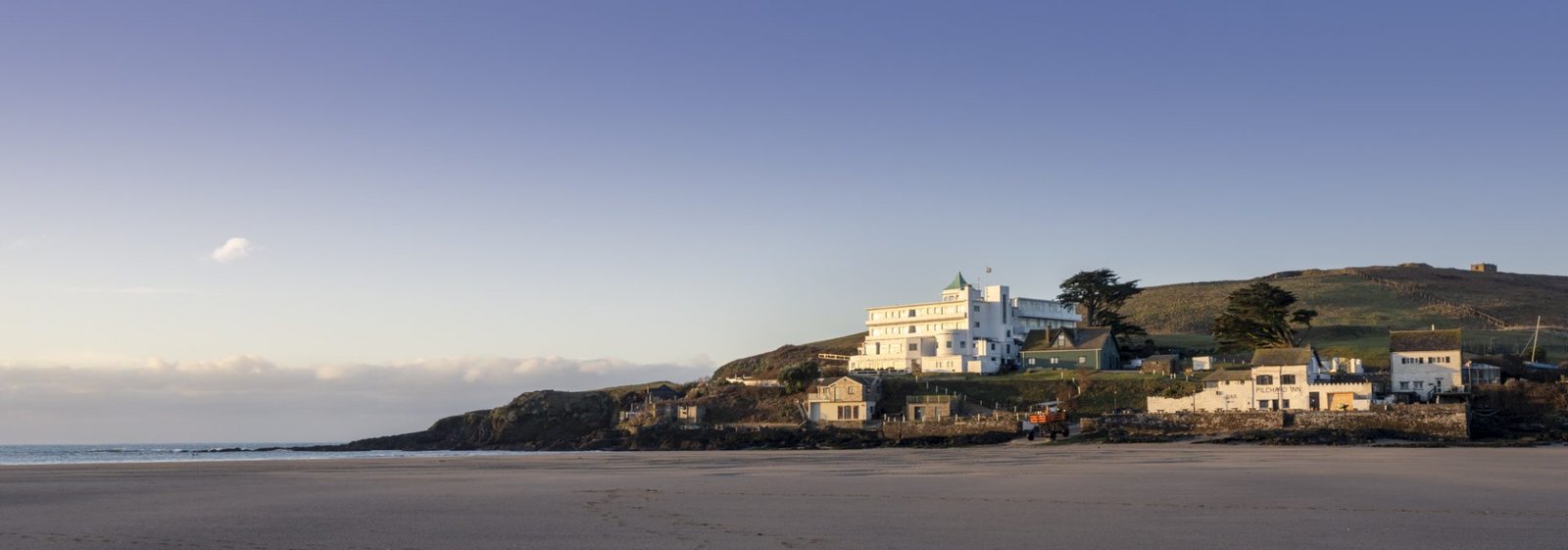
This image captures the stunning Burgh Island Hotel off the South Devon coast, bathed in the warm glow of the setting (or rising) sun. The Art Deco hotel, a striking white landmark, stands proudly against the rugged landscape of Burgh Island, with the historic Pilchard Inn and surrounding cottages adding to the charm of this timeless scene.
Taken from the sandy expanse of Bigbury-on-Sea beach, the composition leads the eye across the untouched shoreline towards the island, where soft evening (or morning) light enhances the textures of the architecture and landscape. The calm sea and pastel sky provide a tranquil backdrop, making this a perfect moment of serenity and coastal beauty.
Shot with the Fujifilm GFX100S II, this medium format image brings out every fine detail, from the ripples in the sand to the distant hillside contours. This is a place rich in history, inspiration, and ever-changing light—an ideal subject for any photographer drawn to dramatic coastal landscapes.
Introduction
Devon is one of the most varied and photogenic counties in the UK. From rugged moorland and ancient woodlands to hidden waterfalls and dramatic coastlines, it’s a landscape that constantly changes with the weather and the light. Every trip out with a camera here feels different — sometimes chaotic, sometimes simple, but always rewarding.
This guide brings together some of my favourite locations for landscape photography in Devon. I’ll keep it updated as I explore more places, so think of it as a living page: a resource to dip into whenever you’re planning your own photography in the county.
Woodlands and Ancient Forests
Wistman’s Wood (Dartmoor)
One of Dartmoor’s most atmospheric spots, with twisted oaks, moss-covered boulders, and a sense of folklore in every branch. It’s a place that feels alive, even when it’s completely still.
Venford Brook Woods
A quieter corner near Venford Reservoir, with mossy boulders and small streams running through the trees. It feels like a hidden grotto, especially on damp days when the greens come alive.
River Dart Woodlands
Along the River Dart you’ll find shaded glades and fern-lined banks. These are perfect for exploring light and shadow, as well as slower, more contemplative woodland photography.
Andrew’s Wood Nature Reserve
A quiet ancient woodland near Loddiswell in South Devon, Andrew’s Wood is managed as a nature reserve and feels wonderfully untouched. In spring, carpets of bluebells transform parts of the forest floor into a sea of colour, while the rest of the year offers peaceful walks under a dense canopy of oak and hazel. It’s a rewarding spot for both intimate woodland details and wider landscape compositions.
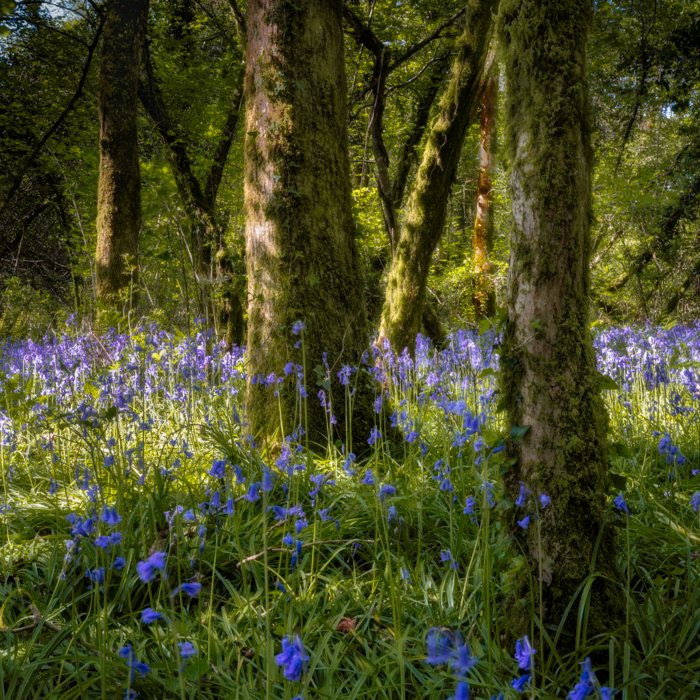
Bluebell Woodland Photography: Finding Simplicity in Nature’s Chaos
Bluebell Photography: Capturing Calm in a…
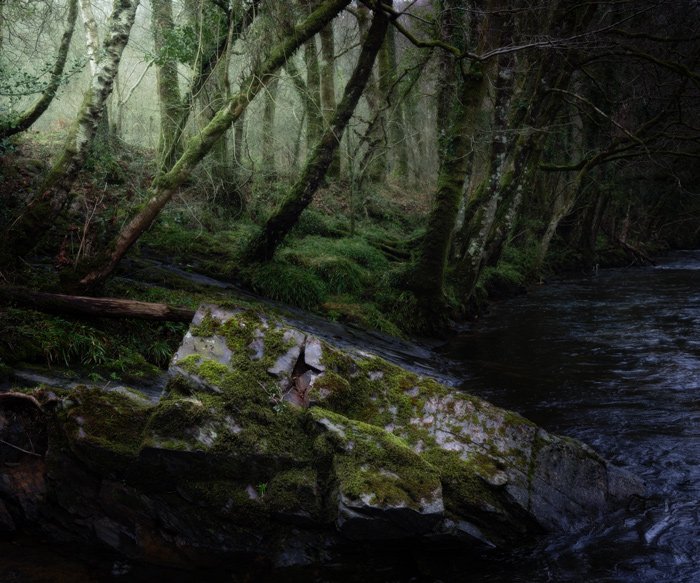
Heart vs Head: Choosing the Fujifilm GFX100S II and Embracing Medium Format Photography
Head v Heart Decision: Nikon Z8 or Fujifilm…
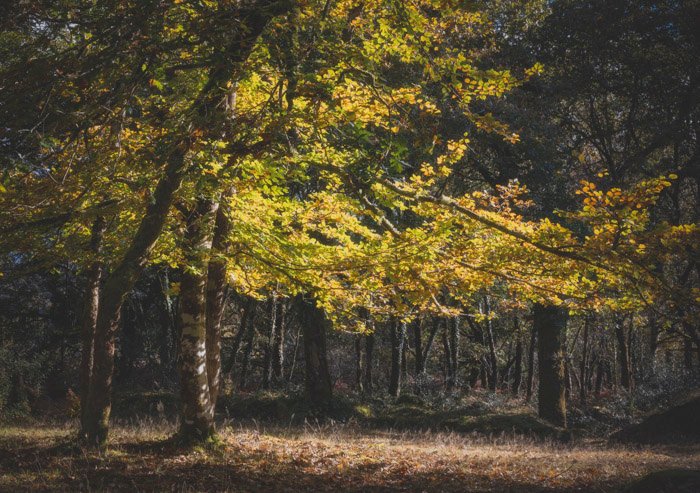
Autumn Photography in Dartmoor: Turning Disappointment into Stunning Shots
Capturing Autumn in Dartmoor: The Rewards of…
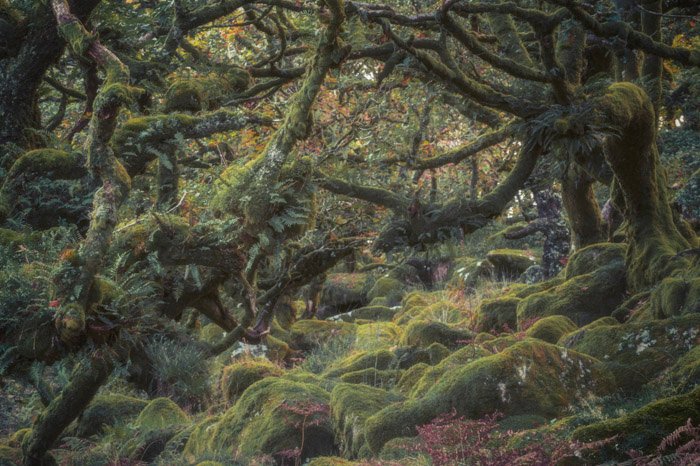
Photographing Wistman’s Wood: Capturing Dartmoor’s Magic and Protecting Fragile Environments
Capturing the Enchantment of Wistman’s Wood: A…

Capturing Change: Andrews Wood in Two Lenses
Andrews Wood Nature Reserve showed me how…

Serendipitous Encounters: Dartmoor’s Mystical Tapestry
Serendipitous Encounters: Dartmoor’s Mystical…
Waterfalls and Rivers
Venford Falls
A tucked-away double waterfall that feels like a secret. With a tripod, you can experiment with longer exposures to soften the water and bring out the texture of the rocks and moss around it. [Full Venford Falls post →]
Dartmoor Waterfall (River Dart area)
Hidden within the national park, this waterfall is ideal for long exposures. The sound of rushing water contrasts beautifully with the stillness of the surrounding woodland.
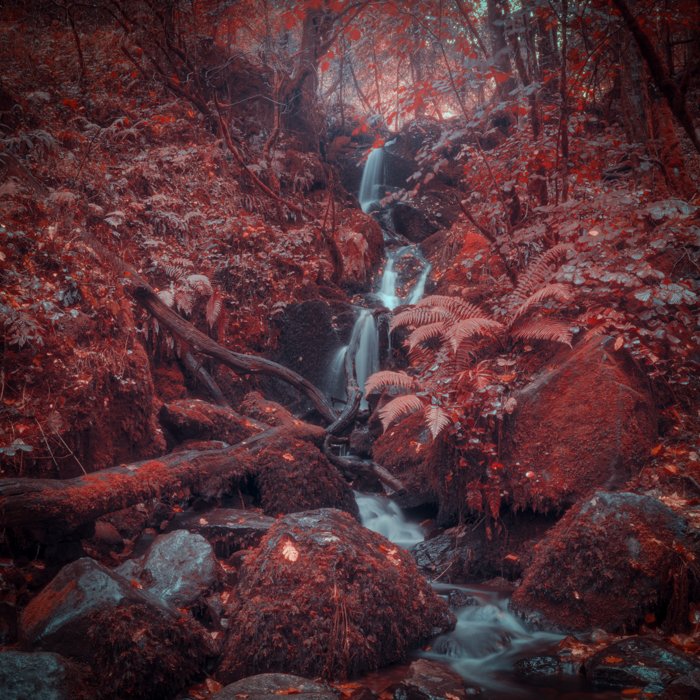
Chasing the Aerochrome Look: Recreating Kodak’s Infrared Film with Digital Tools
Recreating the Aerochrome Look: My Journey into…
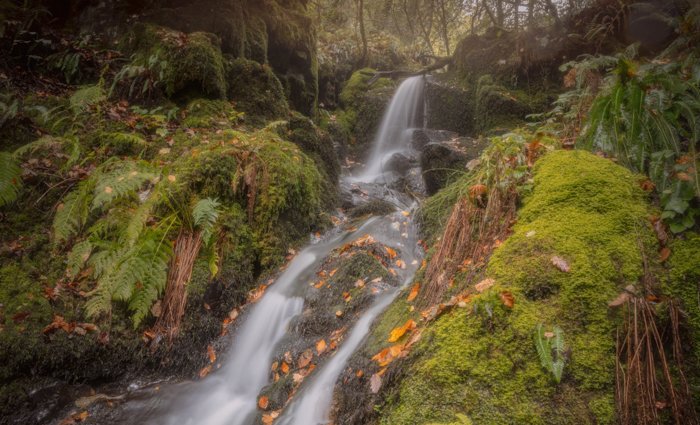
Dartmoor in the Rain: Waterfalls, Woodland & Photography
Dartmoor in the Rain: A Day of Photography,…
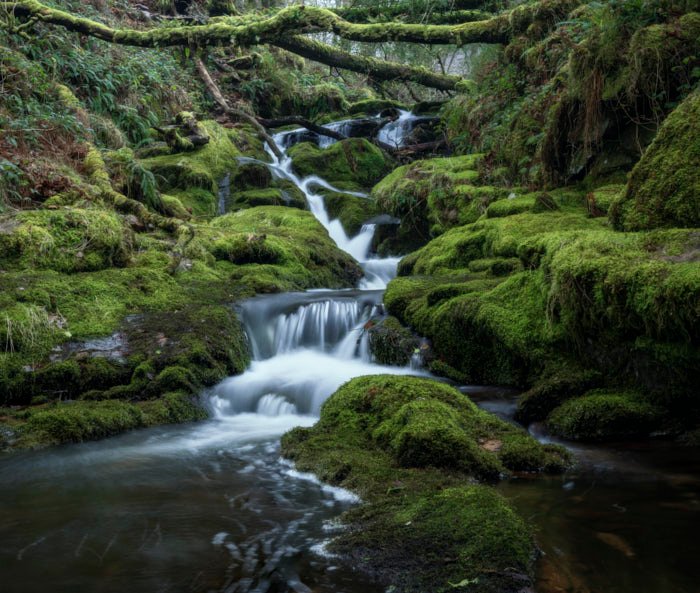
Capturing Venford Falls: A Photography Escape in Dartmoor
Photography as an Escape: A Journey to Venford…

Photographing Sharrah Pools and the Wild Beauty of Dartmoor National Park
Hiking Dartmoor for Stunning Waterfall…
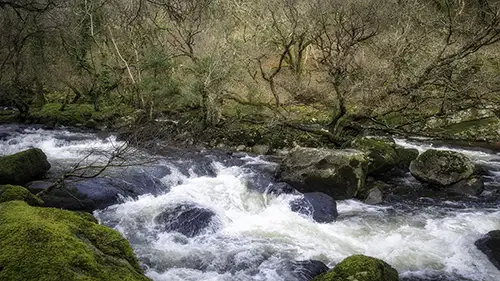
Photographing Sharrah Pool: Capturing Nature’s Beauty in Dartmoor
Captivating Beauty of Sharrah Pool: A…
Moorland and Tors
Foggintor Quarry
Once a bustling granite quarry, Foggintor is now an abandoned, rugged landscape filled with pools of water and sheer rock faces. The remains of old buildings scattered around the site add a haunting quality, especially in mist or low light. It’s a brilliant location for dramatic compositions and for exploring Dartmoor’s industrial past through a photographic lens.
Future Additions
Dartmoor is dotted with striking tors — granite outcrops shaped by centuries of weather. Locations such as Haytor, Great Staple Tor, and Hound Tor will be added to this guide as I continue to explore. Each offers sweeping views, unique rock formations, and endless scope for minimalist or atmospheric images.
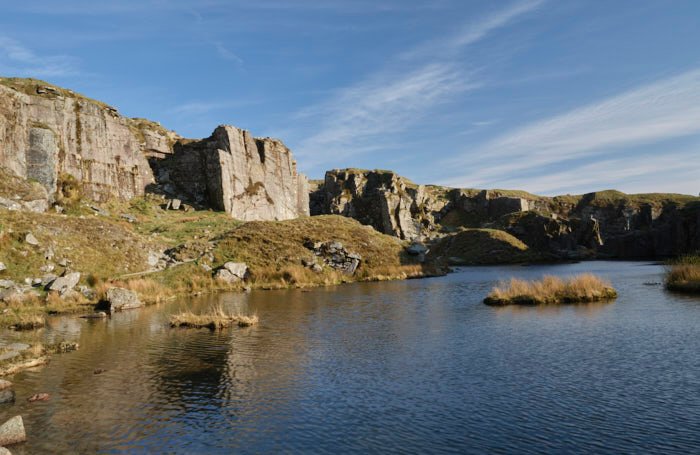
Scouting Foggintor Quarry for Sunset and Astro Photography on Dartmoor
Scouting Foggintor Quarry for Sunset and Astro…
Coastal Photography in Devon
Ayrmer Cove
Known for its rugged coastline and intricate rock pools, Ayrmer Cove is a brilliant location for seascape photography. Long exposures smooth the waves and emphasise the sharp textures of the rocks.
Dawlish
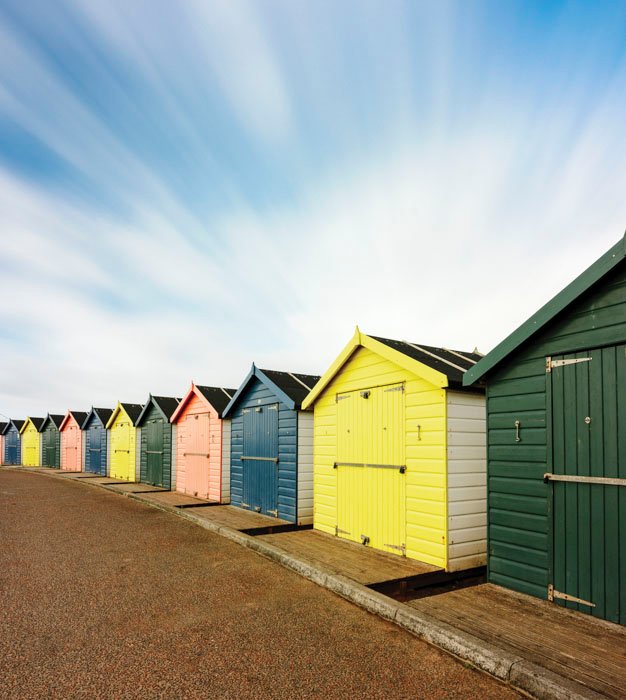
A more minimalist coastal setting, with jetties stretching into the sea and colourful beach huts lining the shore. Perfect for simple, graphic compositions.
Bigbury-on-Sea & Burgh Island
A stunning stretch of South Devon coastline, with sweeping sands and views of the iconic Burgh Island Hotel. At sunrise, the building glows with golden light, making it a striking subject for coastal photography.
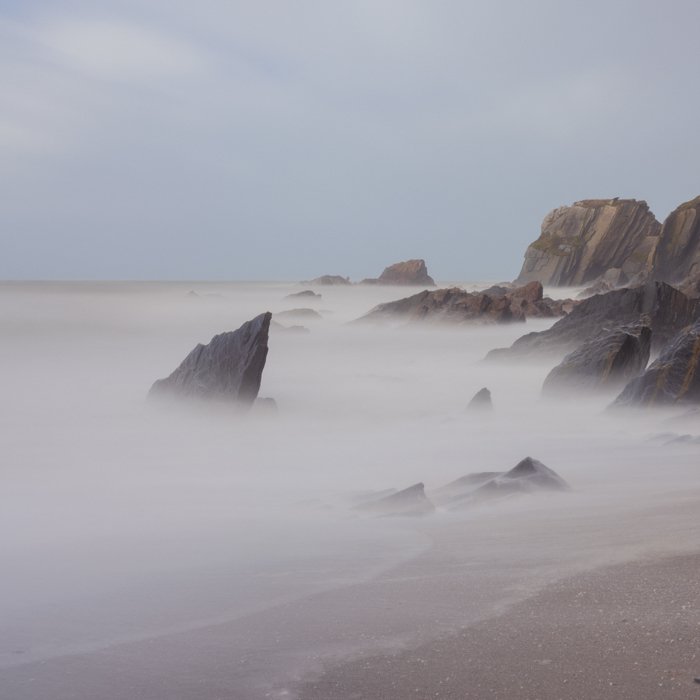
Long Exposure Photography at Ayrmer Cove: Battling the Elements on the South Devon Coast
Long Exposure Photography at Ayrmer Cove:…
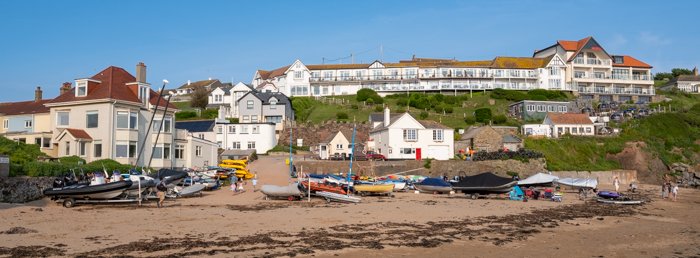
Hope Cove: A Photography Experience That Wasn’t About the Photos
Hope Cove: A Photographic Experience Without the…
A Sunrise Photography Workshop: The Magic of Dawlish Warren
Capturing the Magic of Dawlish Warren: A Sunrise…
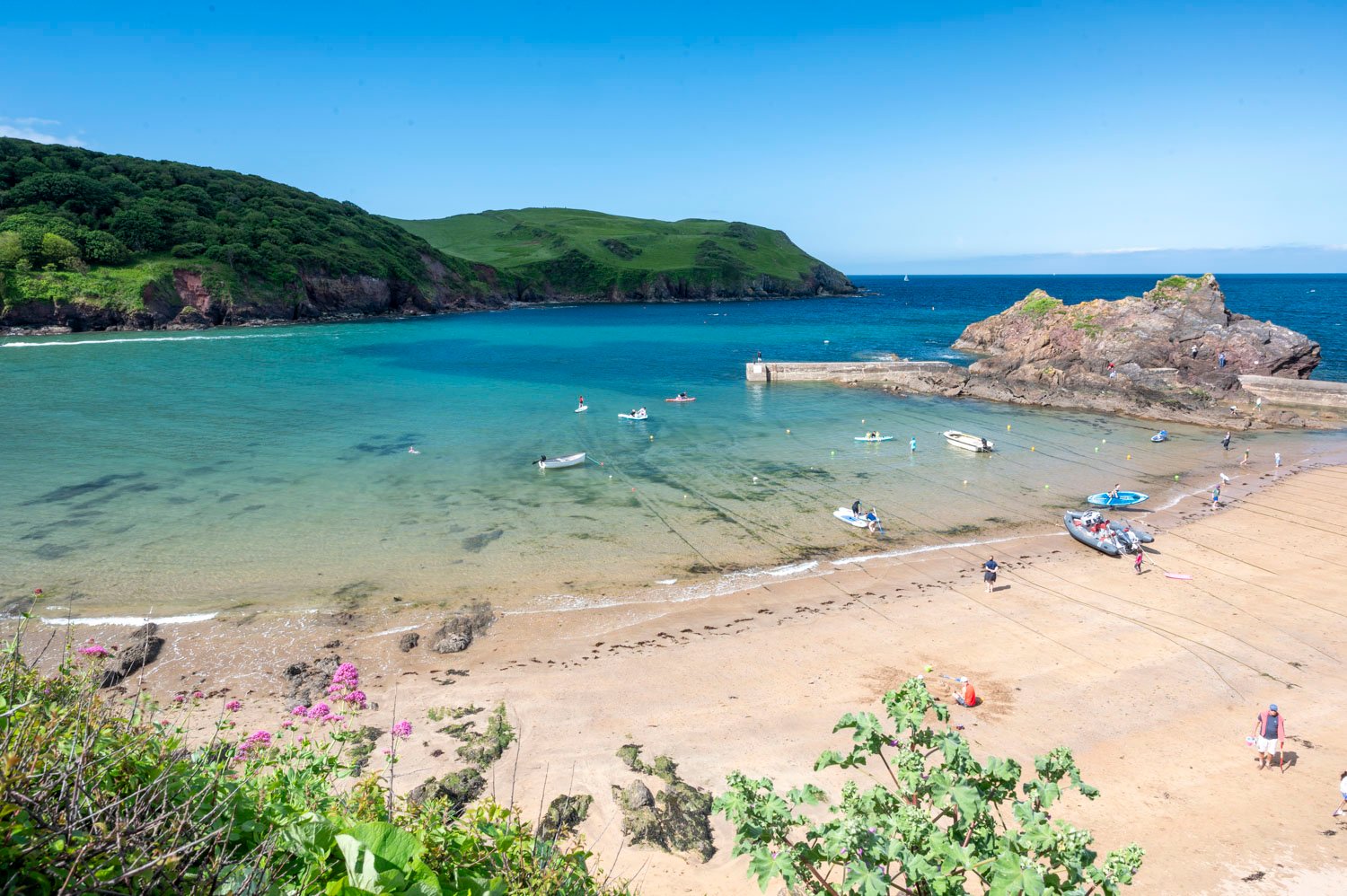
Capturing the Beauty of Thurlestone to Bolberry Down: A Midday Photography Journey
Overcoming Photography Procrastination: A Walk…
Moorland and Tors
Wistman’s Wood
Although already mentioned above, Wistman’s Wood also represents Dartmoor’s moorland character — wild, exposed, and ever-changing. In future I’ll be adding more tors such as Haytor and Great Staple Tor to this section.
Practical Tips for Photographing Devon
-
Be ready for changeable weather. Devon can switch from sunshine to mist to rain in a matter of minutes.
-
Bring a tripod. Essential for long exposures at waterfalls and the coast.
-
Work with the light. Dawn and dusk often give the most atmospheric conditions, but misty mornings on Dartmoor can be unforgettable.
-
Travel light. Many of these spots involve a walk — a single lens challenge can be just as rewarding as carrying a full kit.
Explore More
This guide is part of a larger collection of my Devon photography. You can browse all my posts [here →].
If you’ve enjoyed this and would like to support my work, you can [make a small donation] or [join my newsletter] for updates, behind-the-scenes notes, and new photography guides as they’re published.
0 Comments