
Mastering the Exposure Triangle: A Beginner's Guide to ISO, Aperture, and Shutter Speed
The exposure triangle in photography consists of ISO, aperture, and shutter speed. ISO controls the camera's sensitivity to light; aperture adjusts the size of the lens opening affecting depth of field; and shutter speed determines how long the camera’s sensor is exposed to light. Balancing these three settings is crucial for achieving the right exposure and can be used creatively to enhance your photos. Experimenting with different combinations helps you control light, capture motion, and achieve your desired artistic effects.
Mastering the Triangle of Photography: Understanding ISO, Aperture, and Shutter Speed
Photography is often seen as an art form that captures moments, emotions, and stories through a lens. For many beginners, the technical jargon and settings on a camera can be overwhelming. Terms like ISO, aperture, and shutter speed are commonly thrown around in photography tutorials, but what do they actually mean? More importantly, how do these three elements work together to create stunning images? If you're new to photography, understanding the relationship between ISO, aperture, and shutter speed is crucial to unlocking your creative potential.
In this article, we'll dive deep into the "exposure triangle," a term used to describe the interplay between ISO, aperture, and shutter speed. By the end, you'll have a clear understanding of how to use these settings to control light, capture movement, and create the images you envision.
The Exposure Triangle: An Overview
Before we explore each component individually, it's important to understand that ISO, aperture, and shutter speed are all interconnected. These three elements make up what photographers call the "exposure triangle." Together, they determine the exposure of your image—how bright or dark it appears. The exposure triangle works like a balance scale; adjusting one component will affect the others. To create a well-exposed image, you need to find the right balance between ISO, aperture, and shutter speed.
Here's a brief overview:
- ISO: Controls the camera's sensitivity to light.
- Aperture: Controls the size of the lens opening, affecting depth of field and the amount of light entering the camera.
- Shutter Speed: Controls the length of time the camera's sensor is exposed to light, affecting motion blur.
Now, let's take a closer look at each element.
ISO: The Sensor's Sensitivity to Light
ISO is a measure of how sensitive your camera's sensor is to light. It's typically represented by numbers like 100, 200, 400, 800, 1600, and so on. The lower the ISO number, the less sensitive the sensor is to light, and the higher the ISO number, the more sensitive it is.
Low ISO (100-200)
- Best for: Bright conditions, like sunny outdoor scenes.
- Pros: Produces images with the least amount of noise (graininess), resulting in a cleaner, sharper image.
- Cons: In low light, using a low ISO may require slower shutter speeds or a wider aperture, which could introduce motion blur or shallow depth of field.
High ISO (800+)
- Best for: Low light conditions, like indoor events or nighttime photography.
- Pros: Allows for faster shutter speeds and smaller apertures in low light, making it easier to capture sharp images without blur.
- Cons: Higher ISO settings can introduce noise into the image, which can reduce image quality and detail.
Creative Tip: If you’re shooting in a dimly lit room and want to capture the ambience without using a flash, increasing your ISO can help. Just be mindful of the noise that may appear in your image, and use noise reduction software if necessary.
Aperture: Controlling Light and Depth of Field
Aperture refers to the size of the opening in the lens that allows light to enter the camera. It's measured in f-stops, such as f/1.4, f/2.8, f/5.6, and so on. The smaller the f-stop number, the larger the aperture opening and the more light is allowed in.
Wide Aperture (f/1.4 - f/2.8)
- Best for: Portraits, low light conditions, creating a shallow depth of field.
- Pros: Allows more light to enter the camera, enabling faster shutter speeds. Creates a shallow depth of field, which can isolate subjects by blurring the background.
- Cons: Narrow depth of field means that only a small portion of the image will be in sharp focus.
Narrow Aperture (f/8 - f/22)
- Best for: Landscapes, group shots, situations where you want everything in focus.
- Pros: Increases depth of field, ensuring more of the scene is in focus. Reduces the amount of light entering the camera, which can be beneficial in bright conditions.
- Cons: May require slower shutter speeds or higher ISO in low light, which could introduce motion blur or noise.
Creative Tip: Use a wide aperture (e.g., f/1.8) when taking portraits to make your subject stand out against a beautifully blurred background. Conversely, use a narrow aperture (e.g., f/11) for landscape photography to keep the entire scene sharp and in focus.
Shutter Speed: Freezing or Blurring Motion
Shutter speed refers to the amount of time the camera's sensor is exposed to light. It's measured in seconds or fractions of a second, such as 1/1000, 1/500, 1/60, 1/30, and so on. Shutter speed controls how motion is captured in your image.
Fast Shutter Speed (1/500 - 1/4000)
- Best for: Action shots, sports, wildlife, freezing fast-moving subjects.
- Pros: Captures sharp images of moving subjects, reducing motion blur.
- Cons: Allows less light to hit the sensor, which may require a wider aperture or higher ISO.
Slow Shutter Speed (1/30 - 30 seconds)
- Best for: Night photography, light trails, capturing motion blur, and long exposures.
- Pros: Creates a sense of motion by blurring moving subjects. Allows more light to hit the sensor, useful in low-light conditions.
- Cons: Requires a tripod or very steady hands to avoid camera shake, which can cause unwanted blur.
Creative Tip: Experiment with slow shutter speeds to capture the motion of water or light trails from cars at night. Use a tripod to keep the camera steady, so only the moving elements in the scene are blurred, creating a dynamic and artistic effect.
Balancing the Triangle: How ISO, Aperture, and Shutter Speed Work Together
Now that we've explored each element individually, let's look at how they work together to create a balanced exposure. Remember, adjusting one element of the exposure triangle will affect the others. Here’s how:
- If you increase the ISO, you make the sensor more sensitive to light, which means you can use a faster shutter speed or a narrower aperture to achieve the same exposure.
- If you widen the aperture, more light enters the camera, allowing for a faster shutter speed or a lower ISO to maintain the same exposure.
- If you slow down the shutter speed, you allow more light to hit the sensor, which means you can use a lower ISO or a narrower aperture to balance the exposure.
Imagine you're shooting a landscape at sunset. The light is soft, but it's getting darker. You want to keep everything in the scene sharp, so you choose a narrow aperture (e.g., f/11). To compensate for the reduced light, you can either slow down your shutter speed or increase your ISO. If you slow down the shutter speed, you might need a tripod to keep the camera steady. Alternatively, if you increase the ISO, you could risk introducing noise into the image. Finding the right balance is key to capturing the image as you envision it.
Creative Applications of the Exposure Triangle
Understanding the exposure triangle not only helps you achieve correct exposure but also opens up creative possibilities. Here are a few examples of how you can use ISO, aperture, and shutter speed to enhance your photography:
- Portraits with Bokeh
- Settings: Wide aperture (e.g., f/1.8), low ISO, and fast shutter speed.
- Effect: A shallow depth of field blurs the background, making your subject stand out with a beautiful bokeh effect.
- Freezing Action in Sports Photography
- Settings: Fast shutter speed (e.g., 1/1000), medium aperture (e.g., f/5.6), and moderate ISO.
- Effect: Captures sharp images of fast-moving subjects, freezing the action in time.
- Long Exposure Night Photography
- Settings: Slow shutter speed (e.g., 10-30 seconds), narrow aperture (e.g., f/8), and low ISO.
- Effect: Captures light trails, stars, and other night elements, creating dramatic and artistic images.
- Low Light Photography Without Flash
- Settings: High ISO (e.g., 1600+), wide aperture (e.g., f/2.8), and moderate shutter speed.
- Effect: Allows you to shoot in low light conditions without a flash, preserving the natural ambience of the scene.
Practice Makes Perfect
Understanding ISO, aperture, and shutter speed is just the beginning. The best way to master these settings is through practice. Here are some exercises to help you get started:
- Experiment with ISO: Take the same shot at different ISO settings and compare the noise levels and sharpness.
- Play with Aperture: Photograph a subject at various apertures to see how depth of field changes.
- Try Different Shutter Speeds: Capture moving objects at different shutter speeds to observe how motion blur affects your images.
Conclusion
Grasping the interplay between ISO, aperture, and shutter speed is fundamental for any aspiring photographer. These three elements, often referred to as the exposure triangle, are the key to achieving the perfect exposure and bringing your creative vision to life. Mastery of these settings allows you to make informed choices about how light, depth of field, and motion are captured in your images.
By understanding how to balance these elements, you can enhance your ability to control not only the technical aspects of your photography but also its artistic expression. Whether you’re aiming to create stunning portraits with a beautifully blurred background, freeze fast-moving action with crisp clarity, or capture the ethereal beauty of long exposures, the exposure triangle provides you with the tools to achieve your goals.
Remember, the best way to become proficient with ISO, aperture, and shutter speed is through hands-on practice. Experiment with different settings, analyze the results and adjust your approach as needed. With time and experience, you’ll develop an intuitive sense of how to use these settings creatively to make your photographs stand out.
Ultimately, mastering the exposure triangle will empower you to take full control of your camera and confidently explore the vast possibilities of photography. Embrace the challenge, have fun with your experiments, and let your creativity shine through in every shot you take.
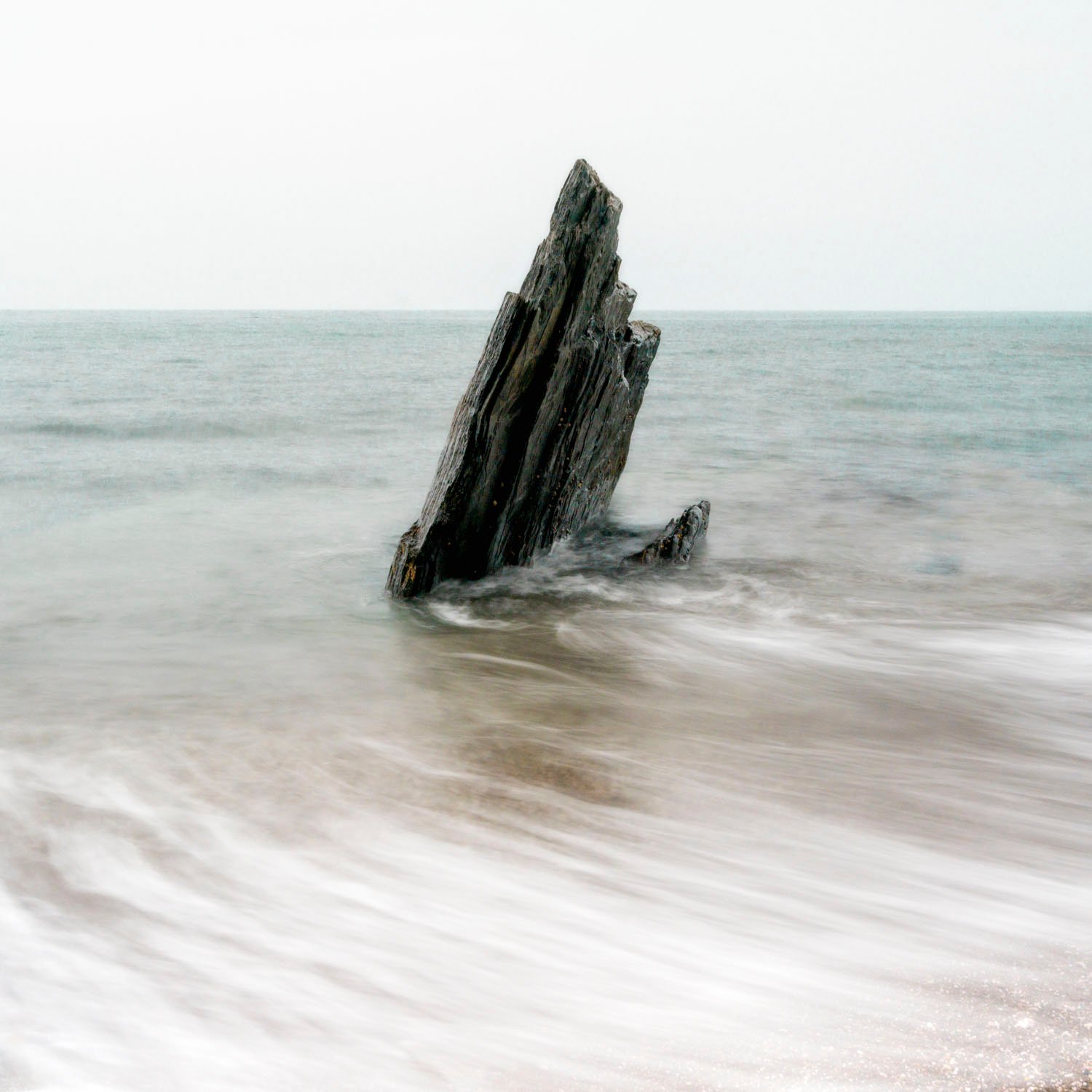
By reducing the lens Aperture and lowering the ISO you can slow the shutter speed to use it creatively to blur motion
0 Comments