
Why I won't be upgrading to the Nikon Z6 MK III anytime soon
Despite the release of the Nikon Z6 MK III, I’ve decided not to upgrade from my Nikon Z6 Mark 1. The Z6 Mark 1 has consistently delivered excellent image quality, which is my primary concern. The improvements in the Mark 3, such as better autofocus and enhanced video capabilities, are impressive but not essential for my needs. I rely heavily on manual focus and rarely use my camera for video. Moreover, the cost of upgrading is significant, and the incremental benefits do not justify the expense. Therefore, I’m content with my Z6 Mark 1, which continues to meet my photography requirements.
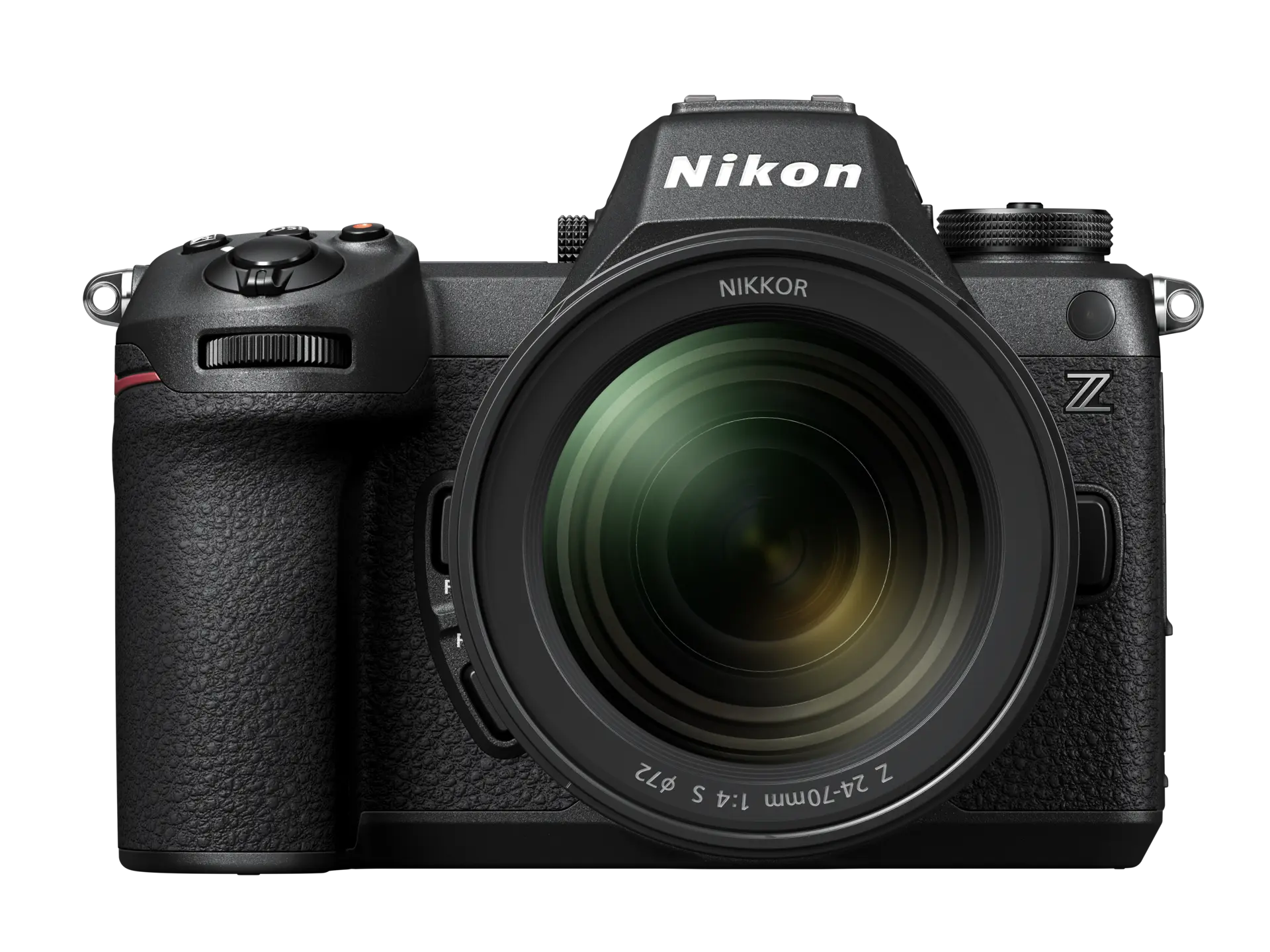
Photography enthusiasts often debate whether to upgrade to the latest camera models or stick with their current gear. As a proud owner of the Nikon Z6 Mark 1 since its release in 2019, I've been pondering this very question with the recent release of the Nikon Z6 Mark 3. Here’s why I’ve decided not to upgrade just yet.
My Journey with the Nikon Z6 Mark 1
I’ve had my Nikon Z6 Mark 1 for several years now, and it has been an integral part of my photography toolkit. From the moment it was launched, I fell in love with its capabilities and performance. The camera has consistently delivered excellent image quality, which is my primary concern. Whether I’m shooting landscapes, portraits, or anything in between, the Z6 Mark 1 has met my expectations time and time again.
Considering the Nikon Z6 MK III
When the Nikon Z6 Mark 3 (or Z6 Mk III) was announced, I was naturally curious. New models come with exciting features and improvements, and the Mark 3 is no exception. It boasts a magnificent autofocus system and other enhancements that make it a superior camera in many respects. However, after careful consideration, I realized that the Mark 3's advancements are not essential for my current needs.
Image Quality: A Key Factor
One of the main reasons I’m not upgrading is the image quality. If you compare the images taken by the Z6 Mark 1 and the Z6 Mark III, you’d be hard-pressed to notice significant differences. In fact, there have been numerous discussions among so-called experts on social media critiquing the Nikon Z6 MK III's dynamic range compared to previous models. Despite these debates, I doubt most people could discern the differences without closely examining technical charts and data. Some individuals seem fixated on regurgitating complex graphs and technical specifications, which often have minimal impact on real-world photography.
For my work, which relies heavily on high-quality images, the Mark 1 still performs brilliantly. Whether I'm shooting landscapes, portraits, or events, the Z6 Mark 1 consistently delivers exceptional results. Its 24.5-megapixel sensor captures detailed and vibrant images, with excellent dynamic range and low noise even at higher ISO settings. The colours are rich and true to life, and the overall image quality is more than sufficient for my professional needs.
The incremental improvements in the Mark 3, such as slightly better noise reduction and improved colour accuracy, do not justify the substantial investment required for the upgrade. While these enhancements might appeal to those who demand the absolute latest and greatest in camera technology, they do not significantly impact my photography. The Z6 Mark 1 already meets my high standards, and the differences in image quality are too marginal to warrant the expense of upgrading.
Furthermore, sticking with the Z6 Mark 1 allows me to allocate resources towards other aspects of my photography, such as new lenses, lighting equipment, or travel opportunities to capture more diverse and unique subjects. Investing in experiences and additional gear can have a more profound impact on my work than a minor upgrade in camera technology. By prioritizing these areas, I can continue to grow and develop as a photographer without feeling pressured to chase every new camera release.
In summary, the Z6 Mark 1 remains a powerful and reliable tool that meets all my image quality needs. The marginal improvements offered by the Z6 Mark 3 do not provide enough value to justify the cost of upgrading. By focusing on what truly matters in my photography, I can continue to produce stunning images and explore new creative possibilities without being swayed by the allure of the latest tech specs.
Autofocus and Manual Focus Preferences
The Mark 3’s autofocus system is indeed impressive, but it’s not a feature I rely on heavily. I tend to use manual focus for most of my photography. This approach gives me greater control over my shots, and the Z6 Mark 1’s manual focus capabilities are more than sufficient for my needs. Thus, the improved autofocus in the Mark 3, while beneficial, isn’t a game-changer for me.
Video Capabilities: Not a Priority
Another area where the Mark 3 excels is video performance, especially the inclusion of 10-bit video. This feature allows for greater colour depth and smoother gradients, which are crucial for professional video editing and high-end production work. The Mark 3 also offers improved in-body image stabilization, higher frame rates, and enhanced low-light performance, making it a formidable tool for videographers. However, I’m only dabbling in video at the moment and rarely use my Mark 1 for shooting videos. My primary focus remains on still photography, where the Z6 Mark 1 already excels.
Given my limited foray into videography, investing in a camera primarily for its advanced video features doesn't make sense at this stage. Instead, I’m considering what the Nikon Z30 MK II could offer video-wise. If the Z30 MK II offers a more dedicated video-centric camera that might better suit my needs if my interest in video grows. It will likely provide similar video capabilities to the Nikon Z6 MK III at a potentially lower cost, making it a more pragmatic choice for someone in my position.
While the enhanced video features of the Mark 3 are appealing, they don’t add much value to my setup. My current work does not require the advanced video specifications that the Nikon Z6 MK III provides. Investing in a camera with superior video capabilities would be unnecessary, especially when the Z6 Mark 1 already meets my needs for occasional video recording. Therefore, while the Mark 3's video enhancements are impressive, they are not a compelling reason for me to upgrade from the Z6 Mark 1.
Financial Considerations
Upgrading to the latest model comes with a considerable financial outlay. While the Mark 3 is undoubtedly a fantastic camera, I can’t justify the expense when the Mark 1 continues to meet my needs so well. It’s important to evaluate whether the new features are worth the cost, and in my case, they simply aren’t.
Conclusion
For now, I’m content with my Nikon Z6 Mark 1. It has served me well, and I see no immediate need to upgrade to the Mark 3. While the new model offers exciting features and improvements, they don’t align closely enough with my current photography needs to warrant the investment. I’ll continue to enjoy capturing stunning images with my trusty Mark 1, confident that it still holds its own in the ever-evolving world of photography technology.
0 Comments