
Returning to Valencia with Film: Rediscovering the City Through a Voigtländer Bessa R and Ilford HP5
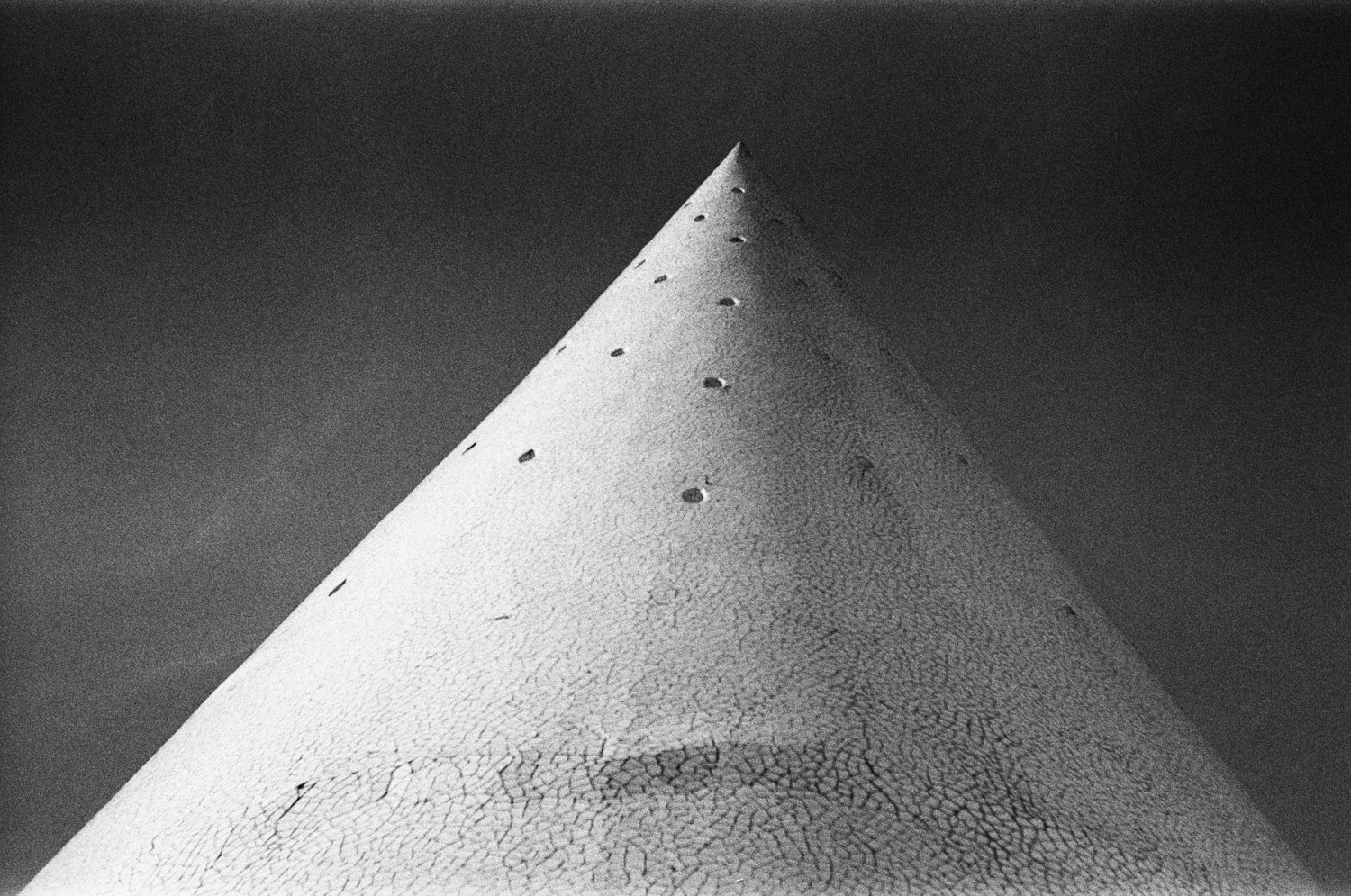
I’ve been photographing Valencia for roughly fifteen years.
There was a pause during Covid, of course, but outside of that interruption it has been a constant in my life — two, sometimes three trips a year. The city has become familiar in a way that very few places have. I know how the light moves across the façades. I know which streets hold shadow longer than expected. I know when the air near the coast turns metallic and bright.
And yet, over the past few visits, something had begun to creep in.
My Valencia photographs were starting to look… the same.
Technically fine. Well exposed. Clean. Sharp. Shot on APS-C and full-frame digital bodies. Efficient. Predictable. Perhaps too predictable.
Valencia is a city that rewards repetition — the City of Arts and Sciences alone could occupy a lifetime of study — but I realised I had fallen into a rhythm that bordered on habit. Same lenses. Same vantage points. Same compositions refined rather than rediscovered.
I needed to interrupt myself.
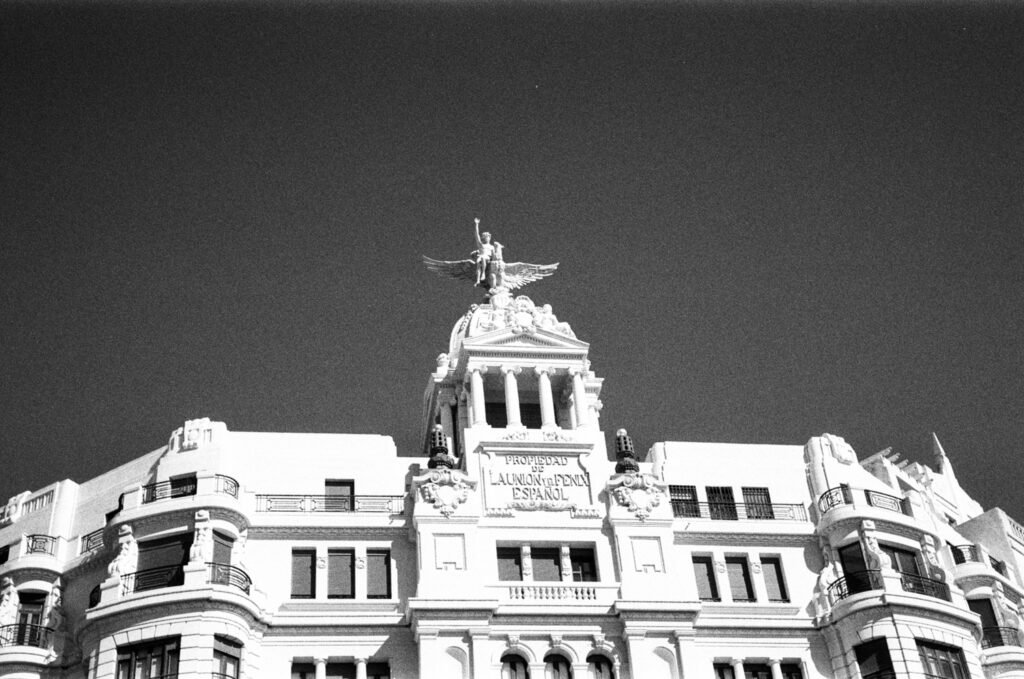
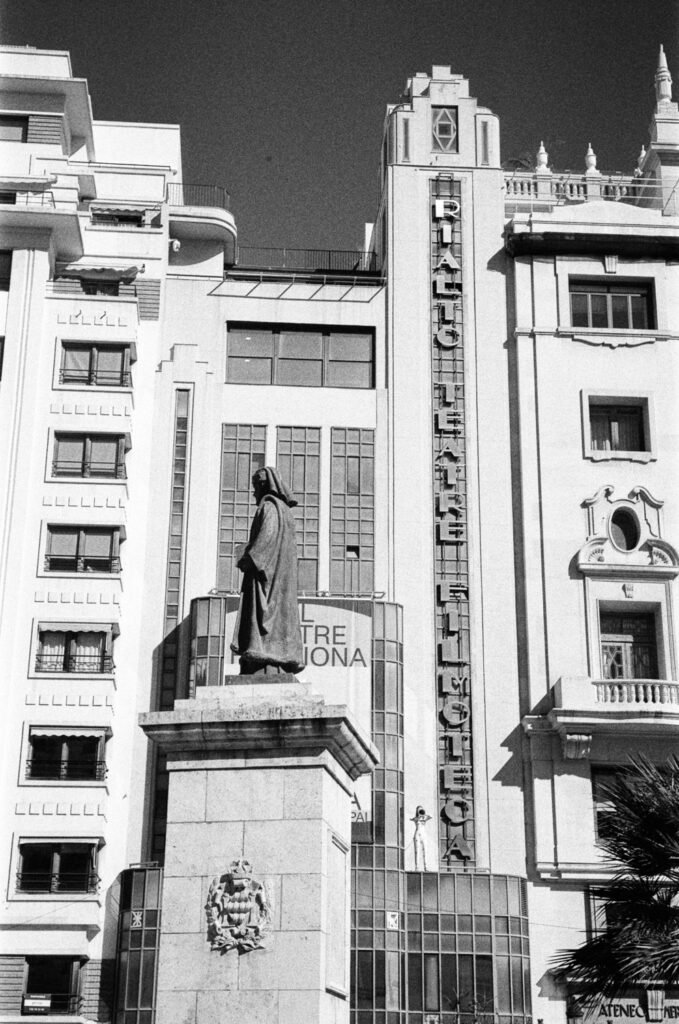
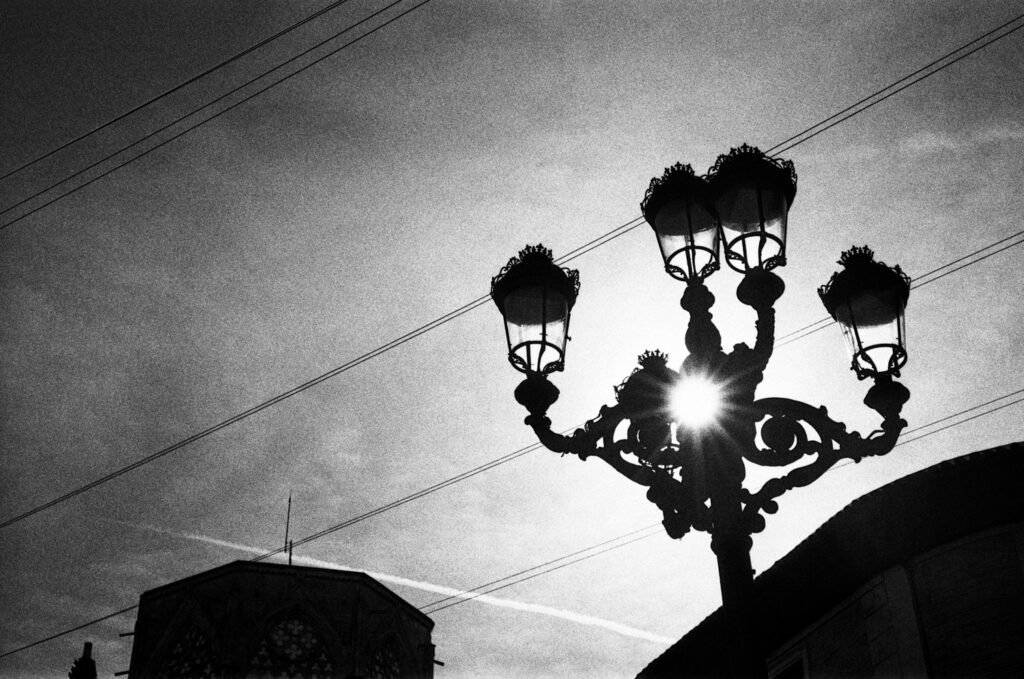
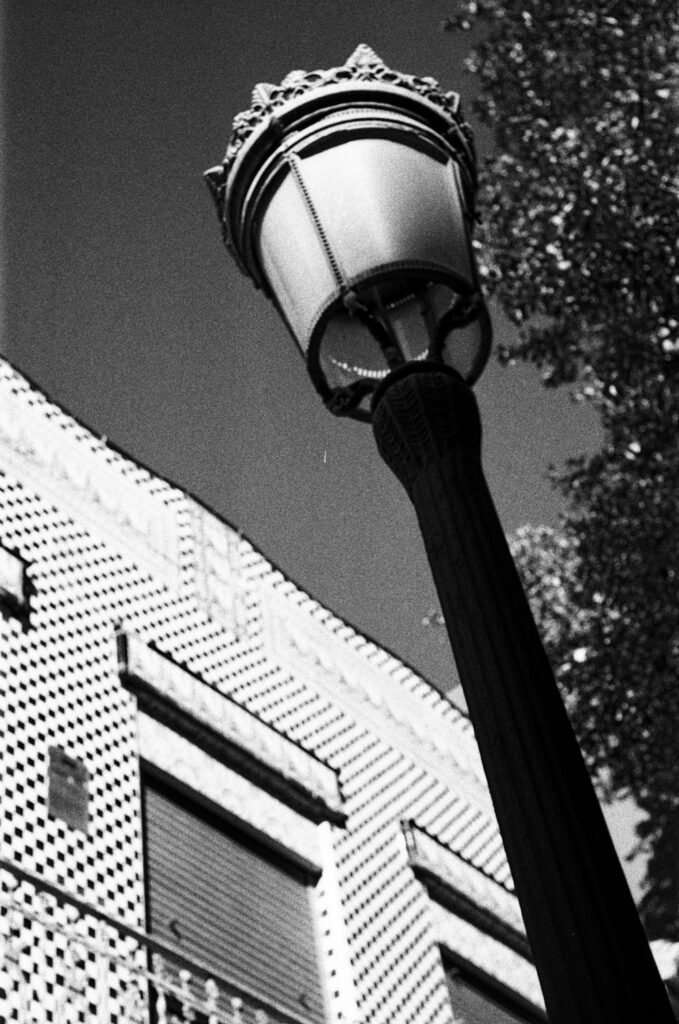
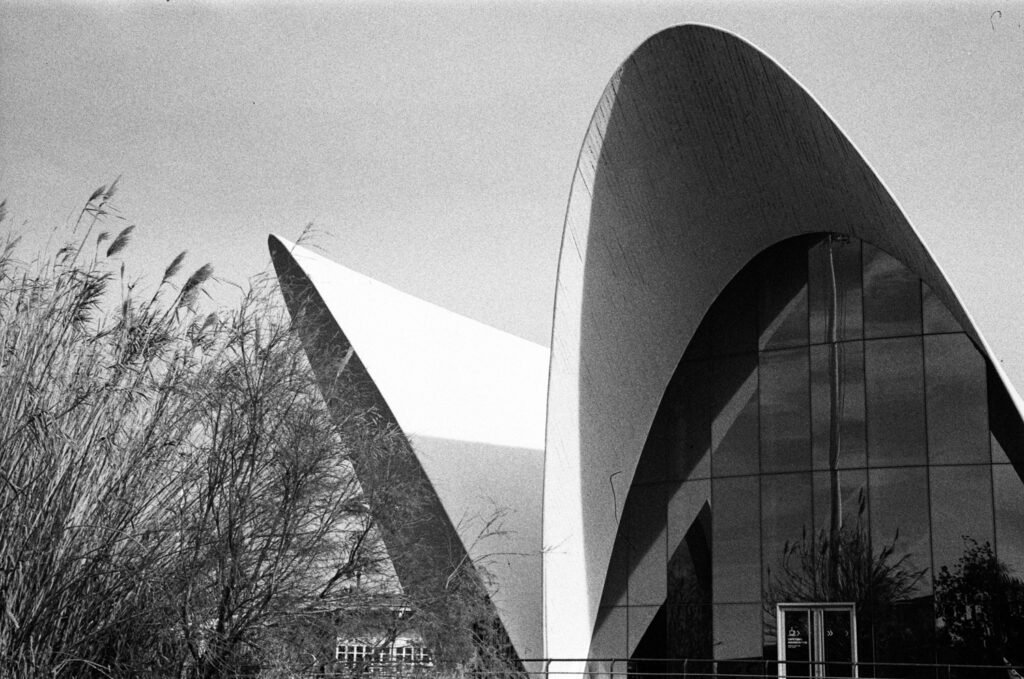
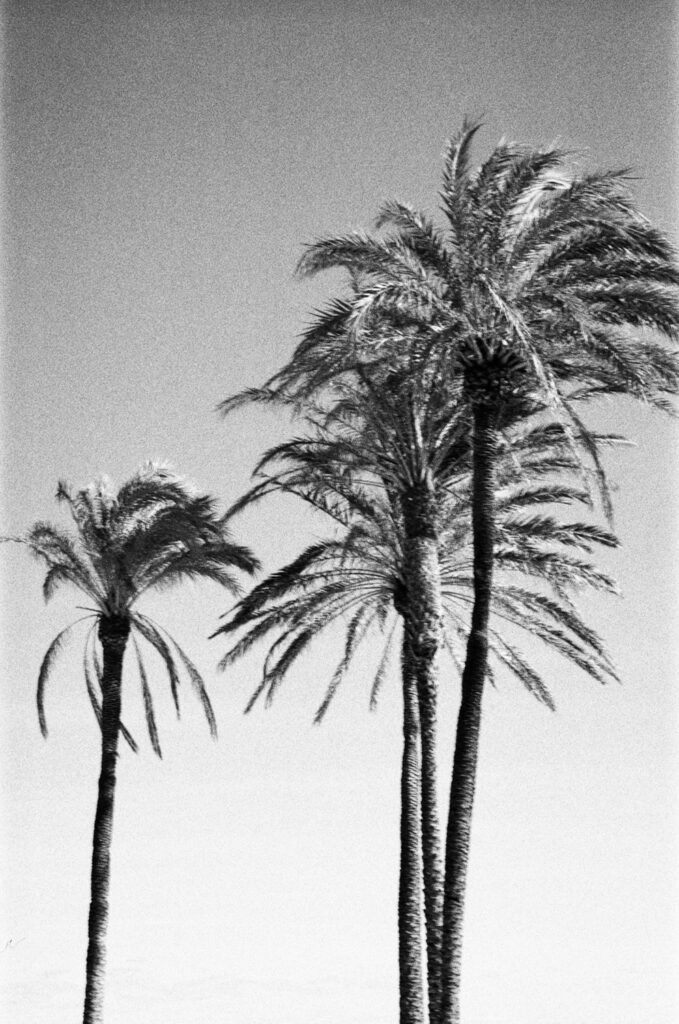
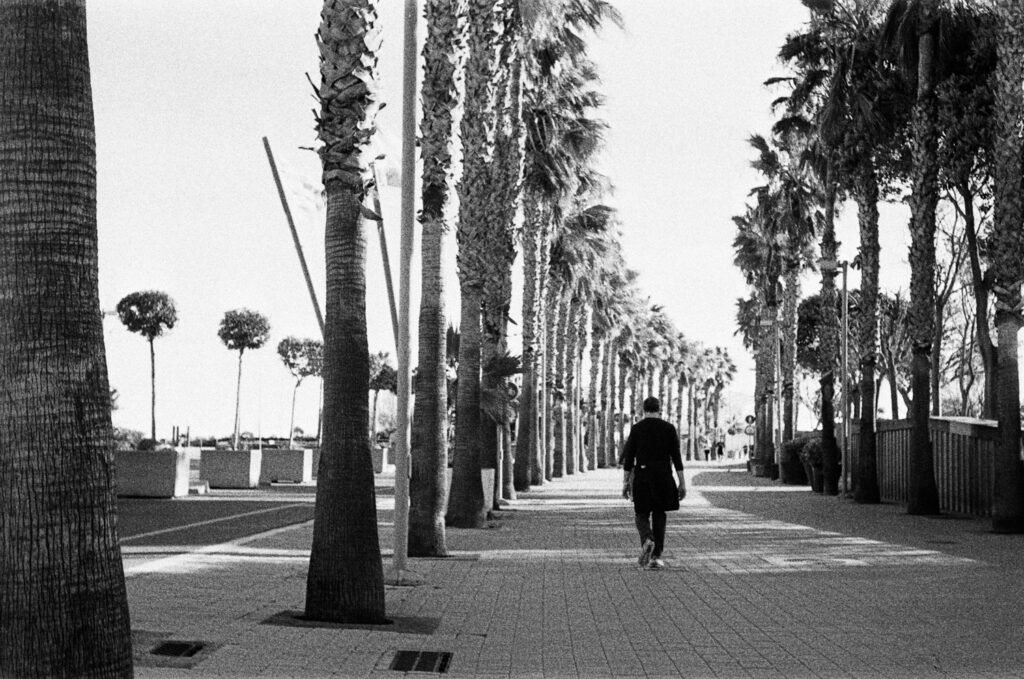
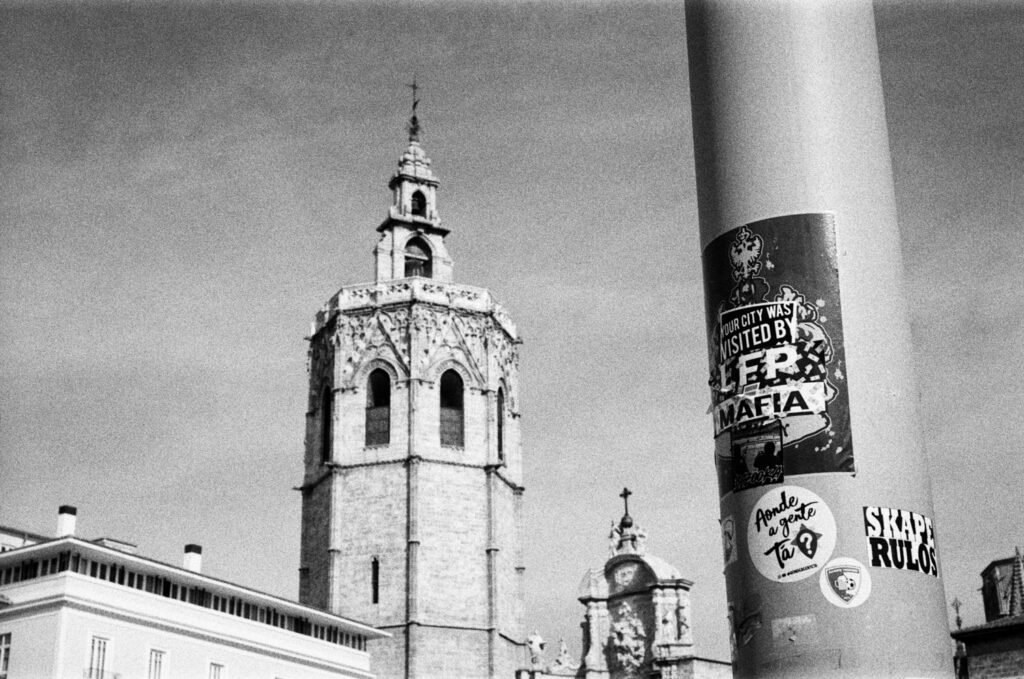
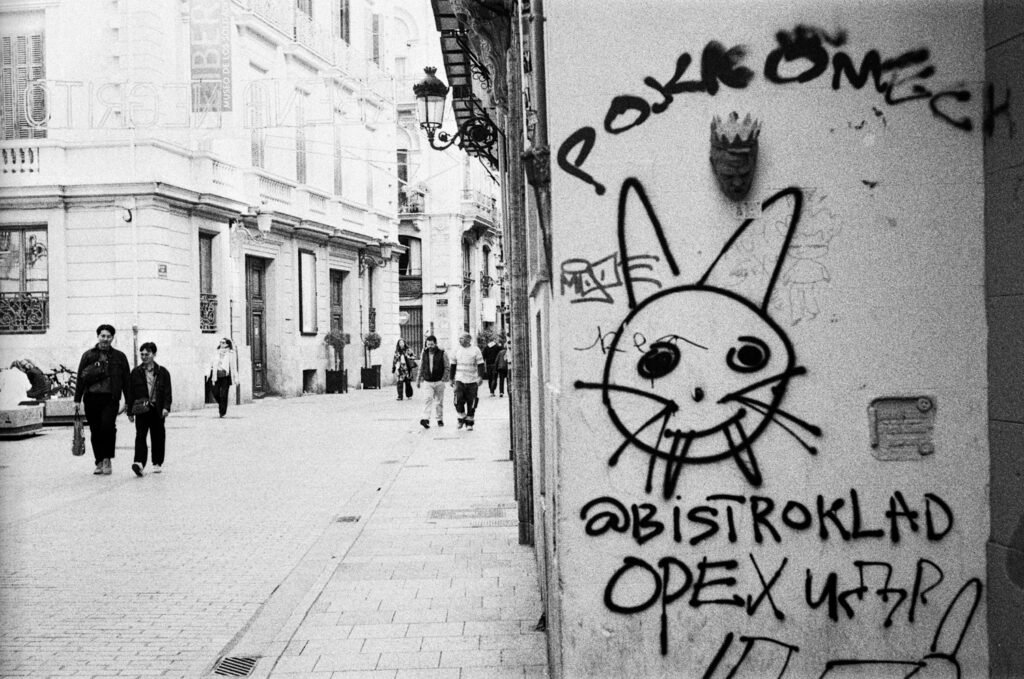
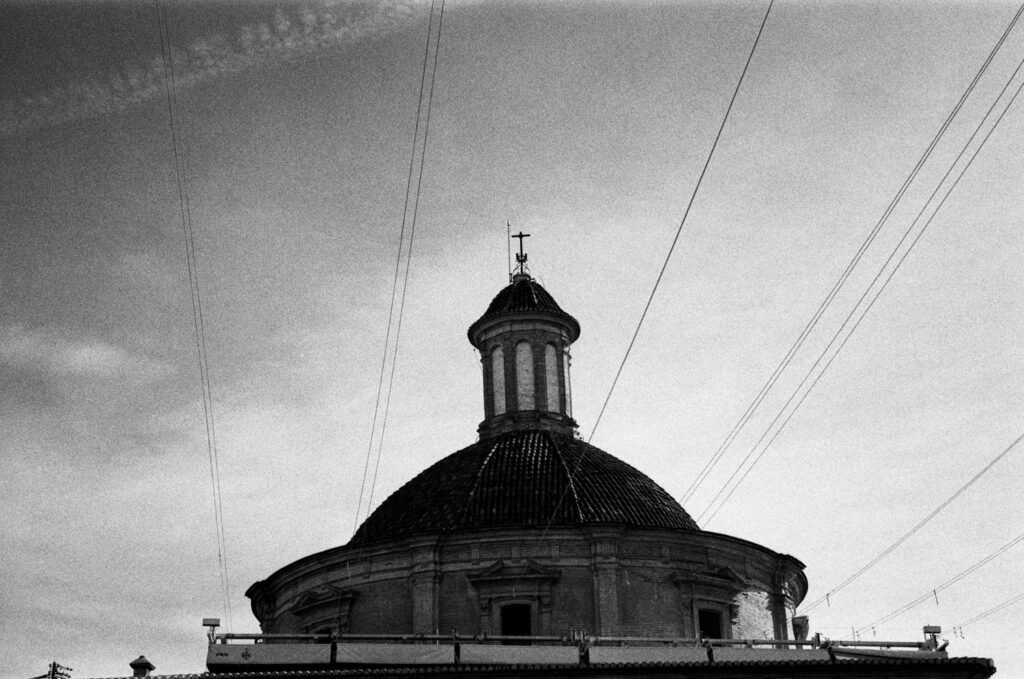
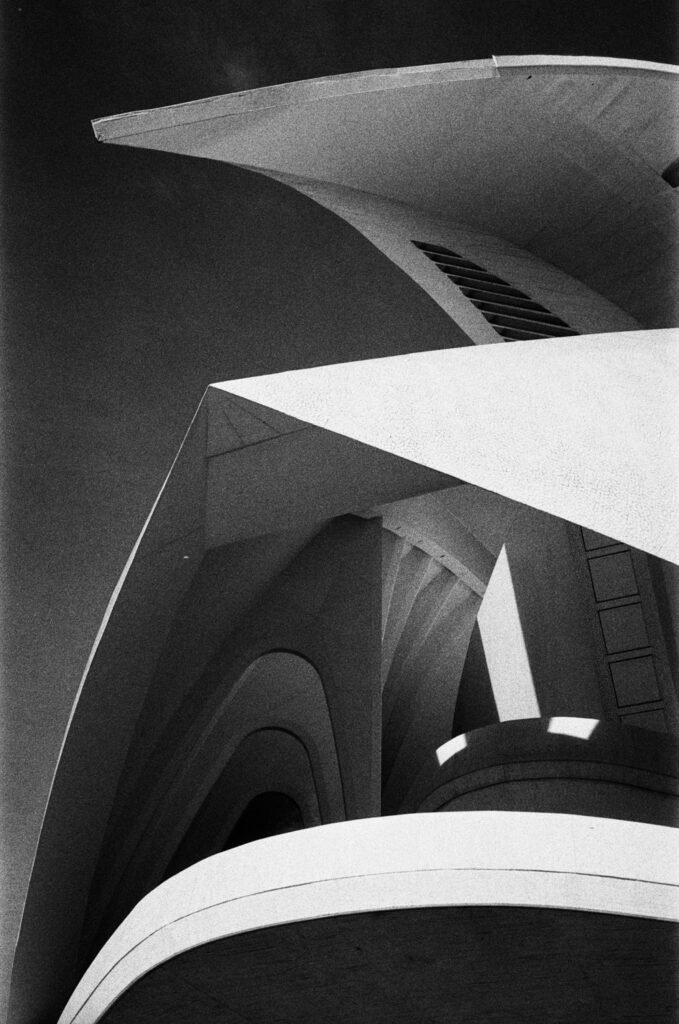
Choosing Limitation on Purpose
Before this most recent trip, I found myself thinking that I “needed” a 35mm lens. It felt logical. Valencia’s architecture is expansive. The City of Arts and Sciences is monumental. A wider lens would allow me to step back, take it all in, capture scale more dramatically.
I almost packed one.
And I’m very glad I didn’t.
There’s a subtle trap with wider lenses — especially when photographing architecture. They make composition easier, but sometimes too easy. You include more. You rely on breadth. You let the spectacle carry the frame.
Instead, I packed something far more restrictive — and far more interesting.
A Voigtländer Bessa R.
Paired with a Jupiter-8 50mm f/2 lens.
Loaded with Ilford HP5.
No autofocus. No screen. No immediate feedback. No 1,000-shot safety net.
Just a mechanical rangefinder and a roll of black and white film.
The 50mm Jupiter-8 forced something different.
It forced choice.
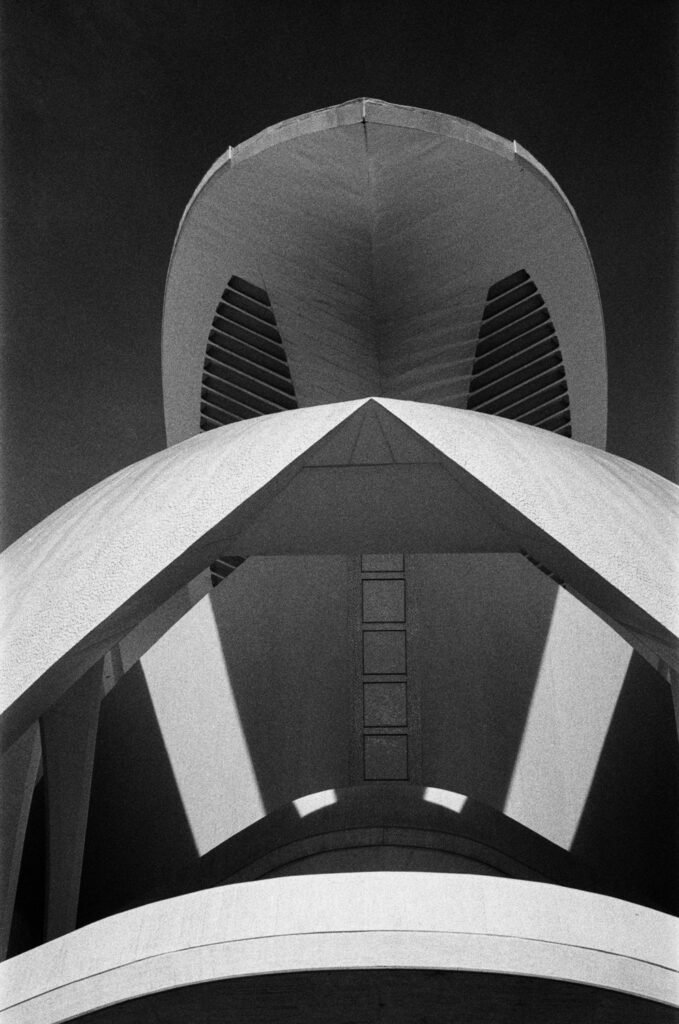
Instead of absorbing the entire structure, I had to decide what mattered. Which curve. Which intersection of shadow and light. Which slice of sky.
What I had initially seen as a limitation turned out to be the opposite.
The 50mm focal length didn’t restrict me — it clarified me.
It removed the safety net of “just go wider.” It required movement. It required alignment. It required patience.
With a 35mm lens, I suspect some of the compositions would have been lazier. Wider. More obvious. Perhaps more dramatic at first glance — but less deliberate.
The discipline of 50mm meant every frame was intentional. Framing wasn’t about fitting everything in; it was about excluding what didn’t belong.
And in a city I’ve photographed for fifteen years, that discipline was exactly what I needed.
The Voigtländer Bessa R and Jupiter-8
The Voigtländer Bessa R is a deceptively simple camera. Lightweight, mechanical, honest. It forces attention. There’s no menu to hide behind, no histogram to reassure you, no image preview to adjust your confidence on the fly.
The Jupiter-8 is a 50mm f/2 lens of Russian origin, widely regarded as a copy of the Zeiss Sonnar design. There’s history in that glass. A lineage that traces back to pre-war German optics.
It isn’t clinically sharp wide open. It isn’t modern in rendering. But that’s the point.
There’s a softness in transitions. A subtle glow in highlights. A way it handles contrast that feels organic rather than engineered.
I’ll write a full review of the Bessa R and Jupiter-8 combination shortly, because it deserves proper attention. But in short: it made me work. And that’s exactly what I needed.
Why Ilford HP5?
If I was going to return to film in Valencia, I wanted something dependable.
Ilford HP5 felt like the right place to start.
HP5 is almost a default choice when exploring black and white film photography. Rated at ISO 400, forgiving in exposure, versatile in different lighting conditions — it has a reputation for resilience.
I shot it at box speed.
Valencia in spring offers bright Mediterranean light, strong contrast, deep shadows and reflective architectural surfaces. I wanted to see how HP5 would respond to that environment.
And I added one more variable.
A yellow filter.
Why Use a Yellow Filter in Black and White Photography?
A yellow filter in black and white film photography subtly darkens blue skies and increases contrast between clouds and sky. It also helps separate architectural edges from bright backgrounds and refines tonal separation in outdoor scenes.
It’s not dramatic like a red filter. It doesn’t scream effect. But it refines.
In Valencia — with its expansive skies and white modernist architecture — I wanted just a little more structure in the sky and a bit more separation between concrete and atmosphere.
Looking at the scans now, I’m glad I used it. The skies have weight, but not aggression.
The Anticipation of Film
One of the most powerful aspects of shooting film — something I had almost forgotten — is the space between exposure and result.
With digital photography, there is no gap. You shoot. You see. You adjust.
With film, the images live in your head.
You carry them around.
You wonder if the exposure was right. If the shadow detail will hold. If the highlight will collapse. If you focused accurately.
There’s anticipation.
And that anticipation reshapes how you experience the moment.
When the scans finally arrived, there was a brief pause before opening them.
Then relief.
Then something better than relief.
Surprise.
Shadows That Felt Alive
What struck me immediately was how HP5 rendered shadow.
Not crushed. Not empty.
Alive.
In the architectural frames at the City of Arts and Sciences, the interplay between light and structure became almost sculptural. The shadows weren’t just absence of light — they were compositional elements in their own right.
There’s a confidence in that kind of rendering.
Highlights That Glow Rather Than Blow
Perhaps the biggest revelation was how the highlights behaved.
In digital photography, overexposed highlights can turn into lifeless white patches.
In these HP5 frames, even where the highlights push toward the edge, they don’t feel blown out.
They glow.
There’s a softness to the roll-off. A luminous quality.
On the white concrete surfaces of Valencia’s modern architecture, the film compresses the highlight information in a way that feels tactile. The bright areas don’t dominate — they breathe.
That glow is something I struggle to replicate digitally without it feeling processed.
Here, it simply exists.
Grain as Character
Ilford HP5 is known for its visible grain structure. It isn’t ultra-fine. It has texture.
In the large expanses of sky and smooth architectural surfaces, the grain adds life. It prevents the images from becoming sterile. It gives the concrete texture. It gives the sky substance.
The grain doesn’t feel intrusive.
It feels intentional.
Breaking the Pattern
Returning to Valencia with film disrupted something in me.
For years, I’ve approached the city with capable digital systems. APS-C. Full frame. Soon perhaps the GFX.
But this time, the limitation forced awareness.
Fewer frames. Slower decisions. More careful metering. Greater commitment.
And the result?
Images that feel on par with my December Venice work — photographs that were deeply intentional.
The difference is that this time, the intention was quieter.
Less about proving something.
More about seeing again.
What Valencia Taught Me This Time
Valencia hasn’t changed dramatically in fifteen years.
But I have.
And sometimes returning to a familiar place requires a different tool to see it freshly.
The Voigtländer Bessa R and Jupiter-8 didn’t make the images better on their own. They simply removed convenience.
Ilford HP5 didn’t magically create atmosphere. It simply rendered light differently — more gently in highlights, more confidently in shadow.
The yellow filter didn’t transform the skies. It refined them.
Together, those choices slowed me down.
And slowing down restored something that had quietly slipped away: curiosity.
I’ve recently created a small sub-website dedicated entirely to my film photography.
If you’d like to explore it, you can find it here: silver.paulnewbery.co.uk
0 Comments