
A Photographic Journey in Cornwall: When Spontaneity Meets Planning
I recently took a family trip to Cornwall with no strict plans for photography. Despite the spontaneity, I brought along my camera gear—just in case. While many of my photos were casual family snapshots, a few deliberate shots led to photographs I’m particularly proud of. For instance, I captured a serene hay bale near our holiday let, lit by beautiful late afternoon light. Another shot at Perranporth Beach during midday required some creative post-processing, pushing exposure and saturation to bring out the scale of the vast, stunning coastline. The outcome of these spontaneous sessions underscores the balance between planning and capturing the moment in landscape photography. Even when on a break, it’s worth keeping your camera nearby because you never know when the light or landscape might offer something magical.
Introduction: Why I Took My Camera on a Family Break
Photography is an art that doesn’t always follow a script, which is why I decided to bring my camera, tripod, and filters on a recent family trip to Cornwall. This trip was meant to be a break from my usual routine, and I didn’t plan any dedicated photography sessions. However, as a photographer, it’s hard to completely switch off from the habit of observing the world through the lens, especially when you’re in a place as stunning as Cornwall. Even though this trip was filled with typical tourist activities—visiting Land’s End, exploring the Minack Theatre, and taking in the beauty of Bedruthan Steps—I knew that at some point, I might stumble upon a scene worth capturing. And that’s exactly what happened.
Cornwall is a place of natural beauty. Its coastlines, rolling fields, and charming villages offer a feast for the eyes and camera alike. While my initial intention wasn’t to focus on photography, I quickly found plenty of opportunities to take my camera out. In the end, what started as a family break offered me some unexpected photographic gems.
Capturing Spontaneous Moments
The majority of photos from my trip were what I’d call “family snapshots.” You know the type—pictures of everyone standing in front of a famous landmark or enjoying an ice cream. These are the kinds of images that are precious for memories but wouldn’t necessarily make it into my portfolio. But then, there were moments when I saw an opportunity, and with a little planning, I managed to create photos I’m genuinely proud of.
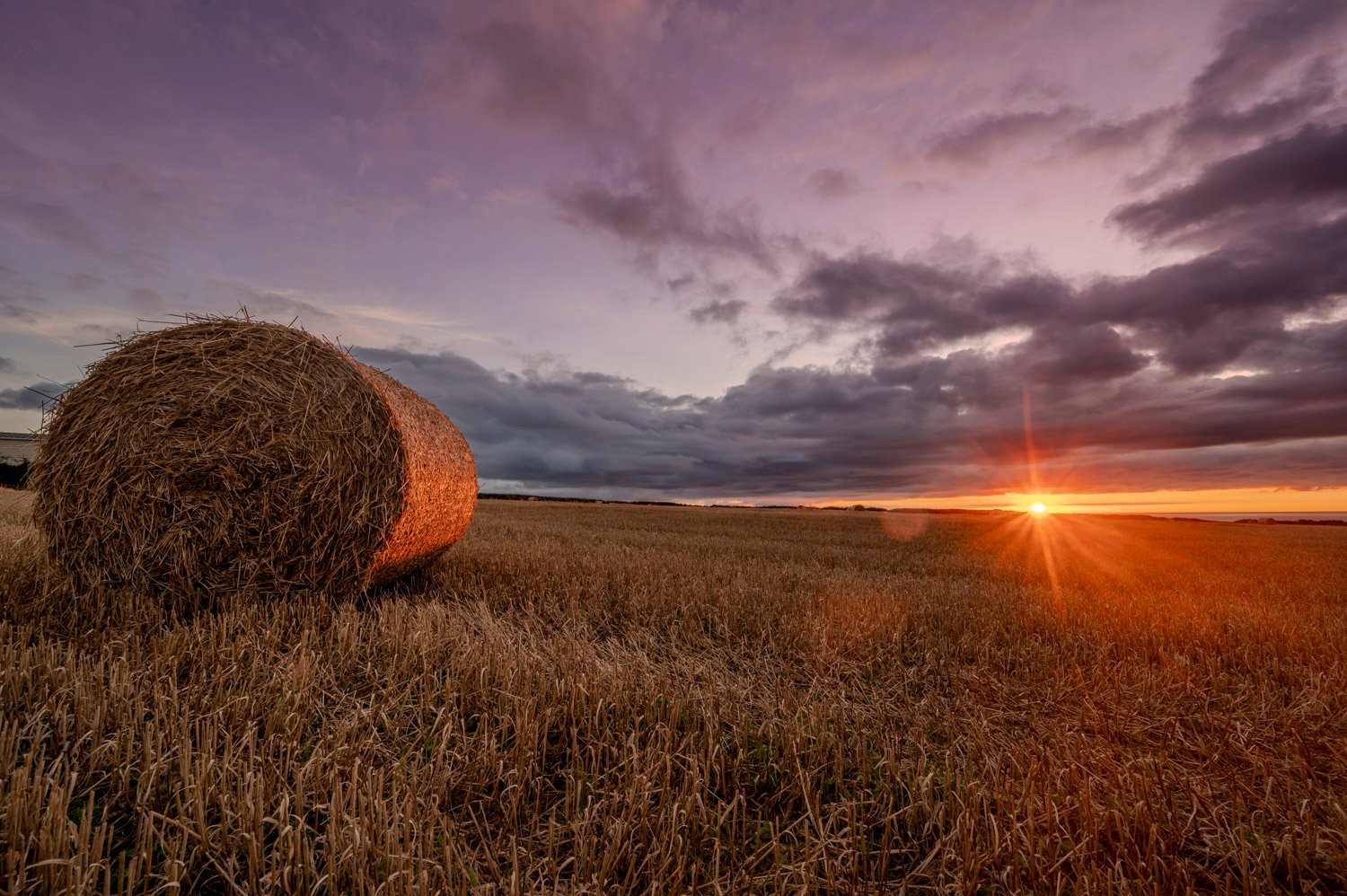
One such example was a scene that unfolded just across the road from our holiday let—a field of hay bales bathed in late afternoon light. This shot wasn’t planned, but when I saw the golden light hitting the field, I knew I had to capture it. I grabbed my camera and tripod and took a short walk across the field, where I managed to photograph the scene. The light was soft and warm, casting long shadows that gave the hay bales a wonderful texture. It was a simple, rural scene, but there was something peaceful and timeless about it. The resulting image is one of my favourites from the trip, and it serves as a reminder that even in the most unassuming locations, beauty can be found.
The Technical Side: Planning for Perfect Light
One of the key elements of photography is light, and in landscape photography, the quality of light can make or break an image. When I saw the hay bales, the first thing that struck me was how perfect the light was. It was late afternoon, heading toward early evening, which is a prime time for landscape photography because of the soft, warm tones the sun creates.
This is known as the “golden hour”—a period shortly after sunrise or before sunset when the sunlight is diffused, creating long shadows and highlighting textures. For landscape shots like this, planning for light is crucial. If you’re shooting in the middle of the day when the sun is high and harsh, the results can often be flat and lacking depth. The golden hour, on the other hand, helps bring a scene to life.
In this case, the hay bales were perfectly positioned to catch the low-angle sunlight, creating an interesting interplay of light and shadow. The contrast between the warm hues of the hay and the cool blues of the sky also added a sense of balance to the image. In post-processing, I made minimal adjustments—just enough to enhance the natural beauty of the scene without over-editing. Sometimes, the magic is already there; you just need to capture it.
Perranporth Beach: A Different Approach
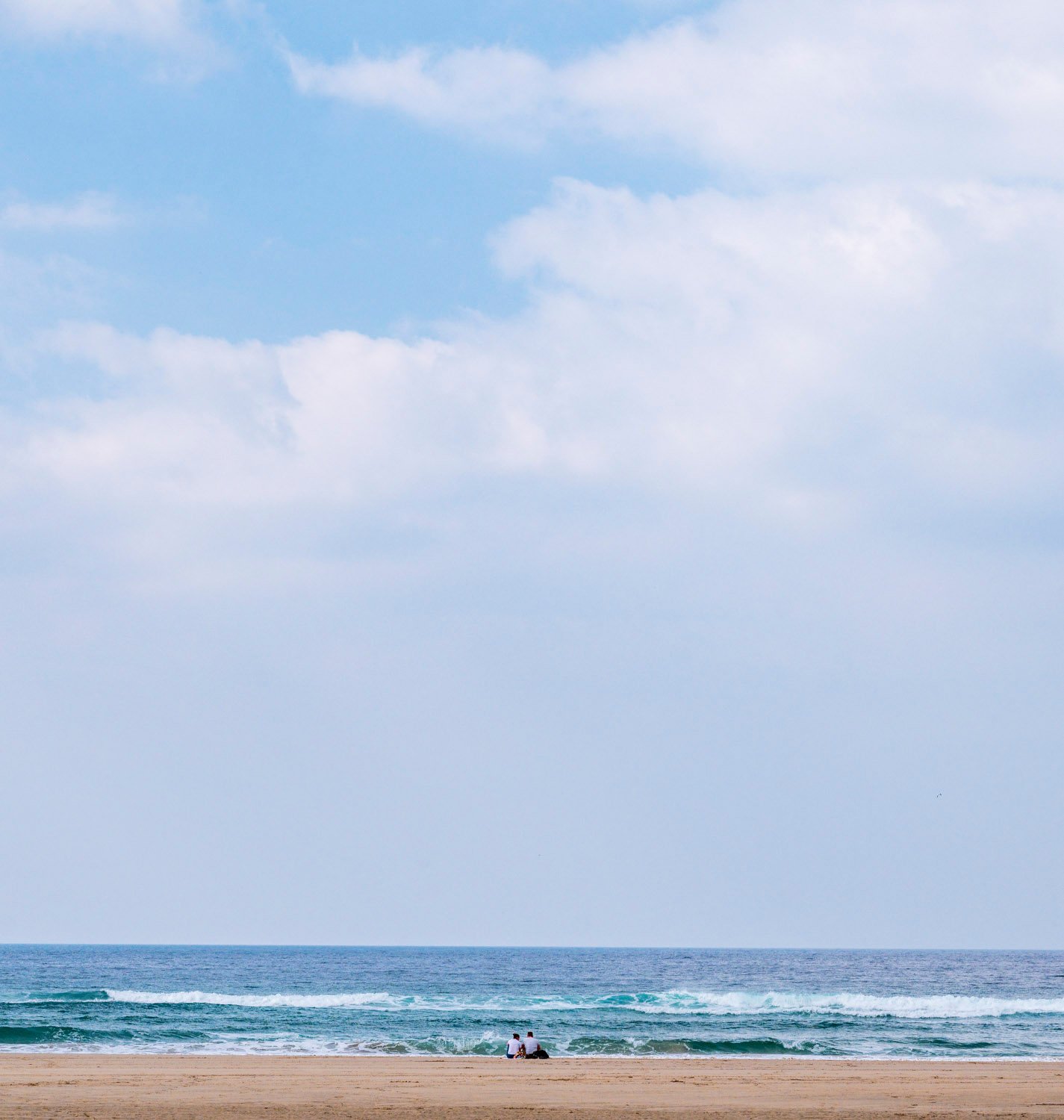
Not all the shots I took during the trip were so straightforward. For example, my experience at Perranporth Beach presented a different set of challenges. We arrived there around midday, which isn’t usually the best time for landscape photography due to the harsh, overhead sunlight. But sometimes, you have to work with what you’ve got.
Perranporth is a massive beach, and I wanted to capture its scale. Knowing that the light wasn’t ideal, I decided to experiment with exposure and saturation in post-processing. Normally, I aim for naturalistic editing, but this time, I pushed the saturation and exposure to create a more dramatic effect. The result was an image that, while not to everyone’s taste, captured the vastness of the beach in a way that felt almost surreal.
Interestingly, this photo wasn’t as well-received by friends and family as some of my other images. They found the colours too bold and the overall effect a bit much. However, I think that’s part of the beauty of photography—it’s subjective. What resonates with one person might not resonate with another. For me, this image stands out because it represents a departure from my usual style. It’s a reminder that sometimes, it’s worth stepping outside of your comfort zone and trying something new, even if the result isn’t universally liked.
Post-Processing: Enhancing the Moment
While I aim to get as much right in-camera as possible, post-processing is an essential part of my workflow. In the case of the Perranporth beach shot, I knew that simply capturing the scene as it was wouldn’t do justice to the scale and atmosphere of the location. By pushing the exposure and saturation, I was able to bring out the intense blues of the sky and the golden tones of the sand, creating a vibrant and dynamic image.
That said, I try to strike a balance when it comes to editing. The key is to enhance what’s already there without overdoing it. With the hay bale shot, for example, I made only subtle adjustments to contrast and sharpness, allowing the natural light to take centre stage. Editing can make or break an image, and knowing when to stop is just as important as knowing what adjustments to make.
Reflecting on Spontaneous Photography
What this trip to Cornwall reminded me of is the importance of spontaneity in photography. Sometimes, the best shots are the ones you don’t plan. Of course, there’s always value in setting up a scene and waiting for the perfect conditions, but there’s also something to be said for simply being in the right place at the right time, with your camera ready to go.
This trip has further cemented my belief that as a photographer, you should always have your gear with you, even if photography isn’t the primary focus of the trip. The world doesn’t stop offering beautiful moments just because you’re on holiday. And when those moments arise, being prepared can lead to some truly rewarding results.
Conclusion: The Beauty of Unplanned Photography
Photography, at its core, is about capturing moments—planned or unplanned. This trip to Cornwall, although initially intended as a family getaway, turned into an opportunity to capture some unique and memorable images. The hay bale in the golden hour and the vastness of Perranporth Beach both offered their own set of challenges and rewards, reminding me of the importance of both technical skill and artistic vision.
So, whether you’re out on a dedicated photography trip or just enjoying a family break, don’t forget to bring your camera along. You never know when the perfect shot will present itself, and sometimes, the most spontaneous moments turn out to be the most meaningful.
0 Comments