
A Day in London with Ilford HP5+ and the Voigtländer Bessa R
Normally, when I travel to meet family or friends, I tend not to bring a camera other than my phone. Most of these trips are social occasions rather than photography trips, and I’ve found over the years that constantly carrying a larger camera can sometimes pull you out of the moment rather than helping you experience it.
On this occasion, however, I had most of the day to myself in central London before meeting family later that evening, which felt like enough of an excuse to bring along the Voigtländer Bessa R and a roll of Ilford HP5+.
I’m fully aware that most of the film I’ve shot since rediscovering film photography has been HP5+. It has almost become a comfort blanket at this point. I know roughly how it reacts, how far I can push it, how it handles contrast, and most importantly, I rarely have to think too hard when using it. That familiarity is probably becoming a little lazy if I’m being honest, and I’ve recently ordered a couple of rolls of Rollei Infrared and Kodak Portra to force myself into trying something different over the coming months.
Still, for London, HP5+ felt right.
Mid-April in London can be an odd experience. The city was busy in the way London always is, but there was also that strange transitional atmosphere that spring often brings. Not quite winter anymore, but not fully settled into warmer weather either. Grey skies, artificial light reflecting from wet pavements, people moving quickly between underground stations and shops.
I arrived at Bond Street via the Elizabeth Line, which still feels oddly futuristic compared to much of the Underground network. London itself often feels like that now: layers of different eras stacked on top of one another. Victorian buildings squeezed between glass office blocks, historic streets interrupted by luxury stores and giant digital billboards.
If I’m honest, London no longer feels particularly English to me. Whether that’s a good thing or a bad thing, I’m not entirely sure. Perhaps cities naturally evolve into something broader and more international over time. Whatever the reason, the city now feels culturally and socially detached from the version of London I remember visiting years ago.
That isn’t necessarily criticism. More an observation.
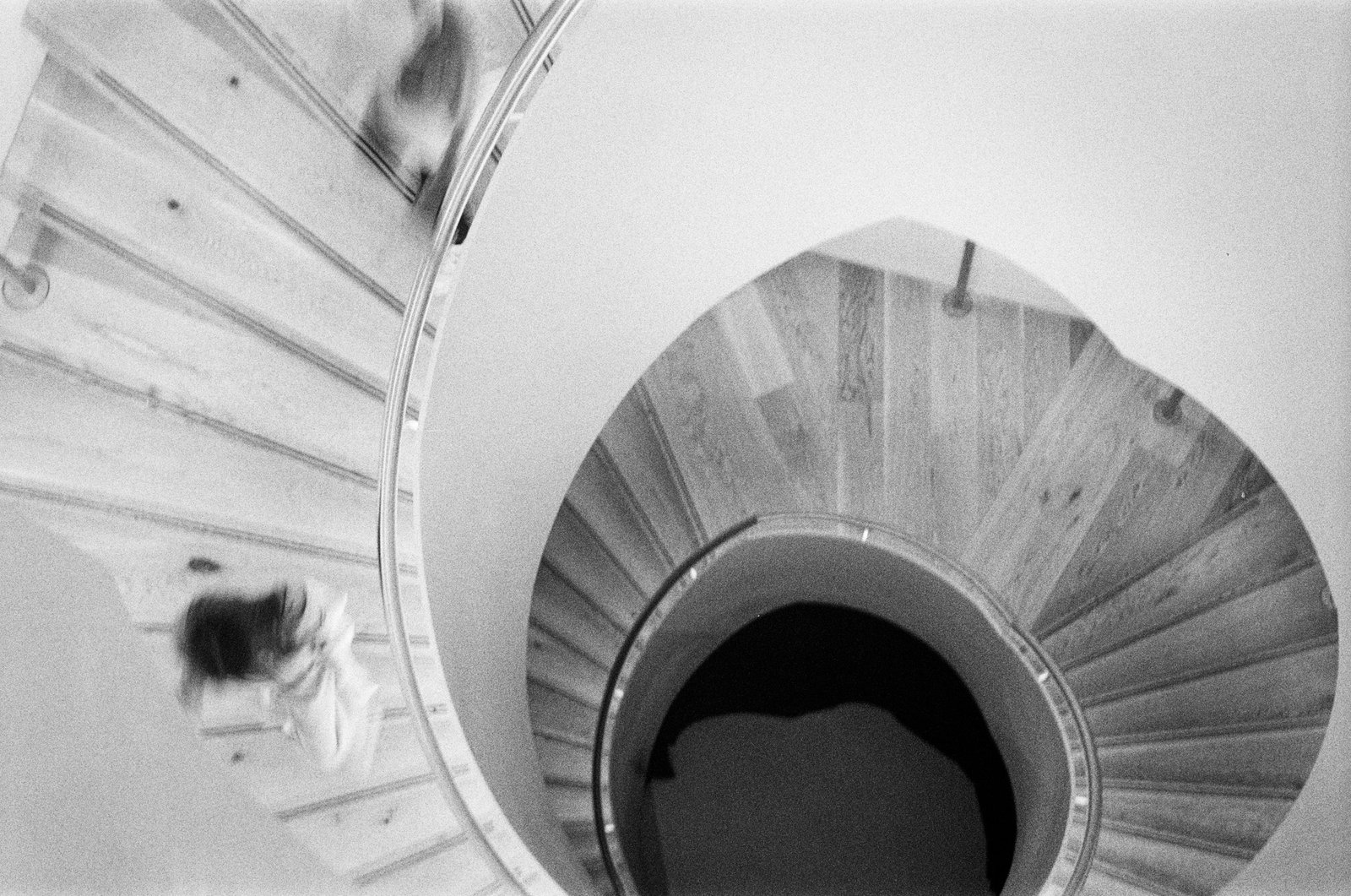
The Photographers’ Gallery was only around a five-minute walk from the station, so that became the first stop of the day. We spent a good hour and a half wandering through the exhibitions, taking our time and drifting from room to room. If you have any interest in photography at all, it is well worth visiting.
What I enjoy about photography galleries is the ability to slow down. Online photography often becomes disposable through overexposure. We scroll endlessly through images on phones and social media without really absorbing them. In galleries, photography regains some physical presence. You stand in front of a print rather than swipe past it.
That said, if I’m being completely honest, I often find traditional art galleries a little tiring. Perhaps even slightly intimidating at times. Quiet white walls, people pretending to understand things they probably don’t, descriptions longer than the artwork itself. Modern immersive galleries, on the other hand, feel much more experiential to me. Less about standing at a distance observing something and more about physically stepping into a space.
After leaving the gallery, dinner followed. I won’t waste your time describing food in detail, but the afternoon did involve a bottle of wine and several glasses of grappa, which perhaps helped prepare us mentally for the sensory overload that followed later in the day.
The weather outside had become increasingly unpleasant, cold and damp in the way London often manages so effectively, so rather than wandering aimlessly through the streets we decided to head towards the Moco Museum near Marble Arch.
This turned out to be one of the highlights of the day.
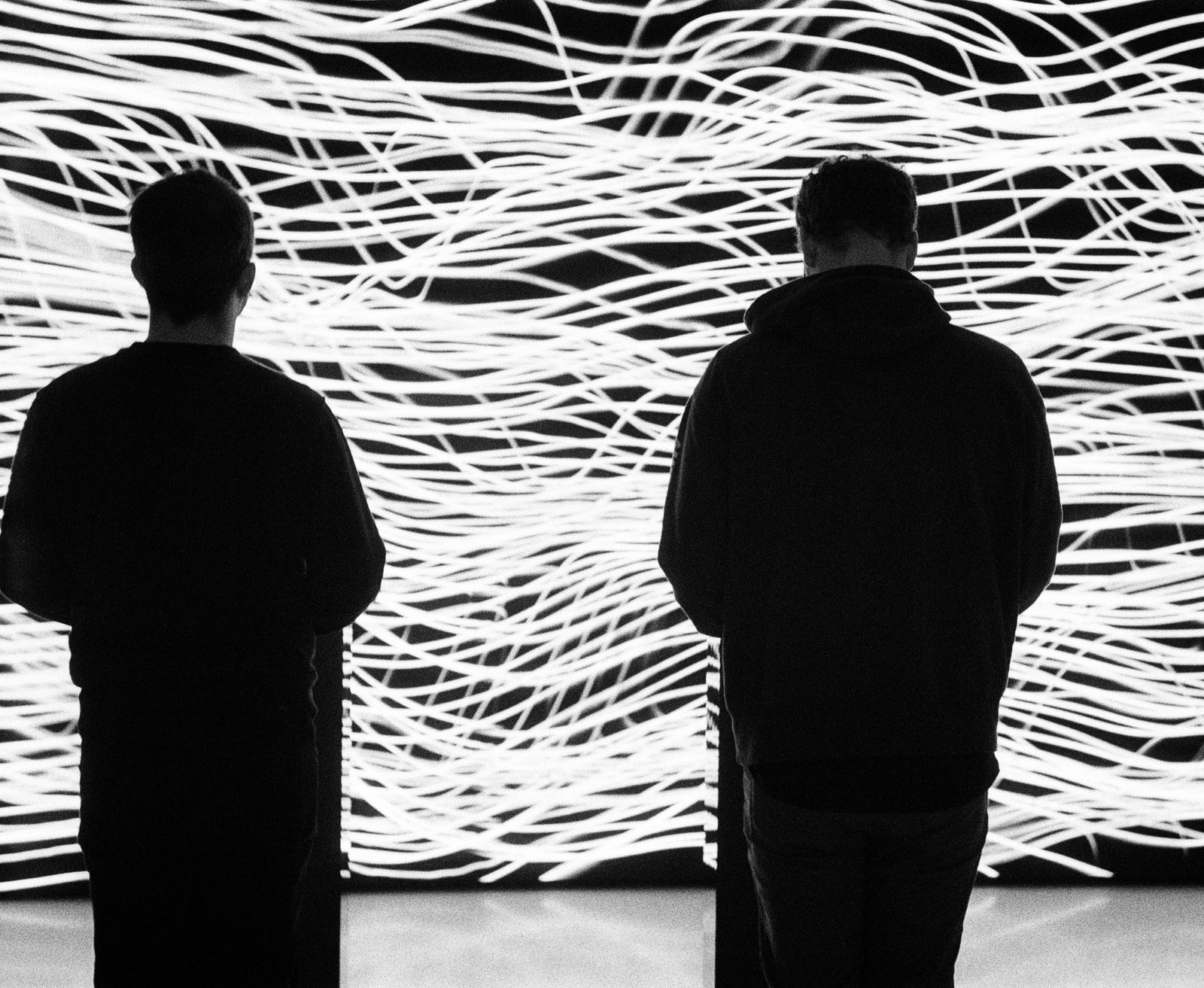
At the time of our visit, Banksy was one of the featured exhibitors, but what struck me more than any individual artwork was the overall atmosphere of the place itself. Unlike more traditional galleries, the Moco felt alive. Rooms pulsed with artificial light, reflections bounced across walls and ceilings, and people interacted with installations rather than simply staring at framed objects.
Some exhibitions almost bordered on sensory overload, although in a strangely enjoyable way.
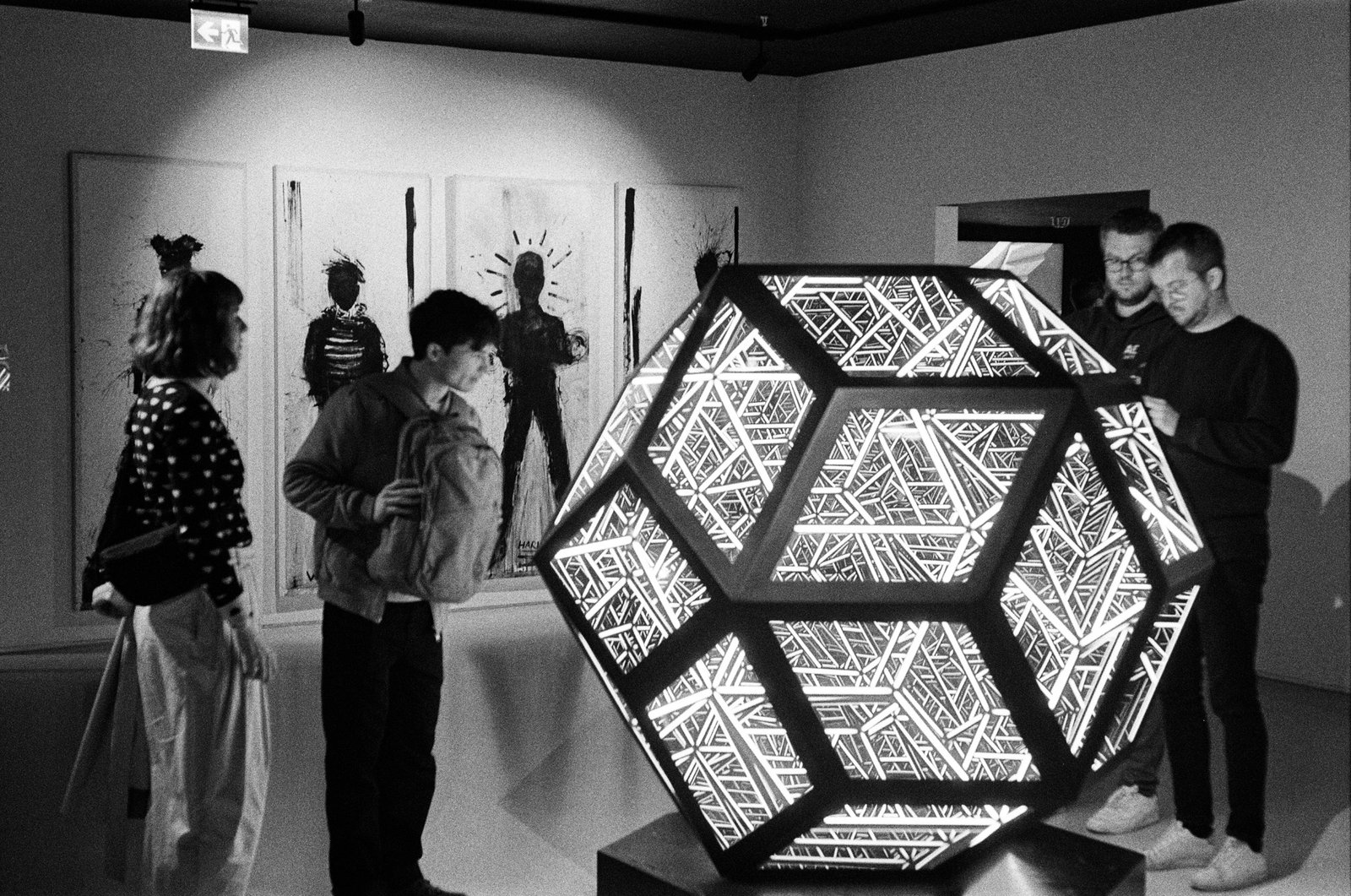
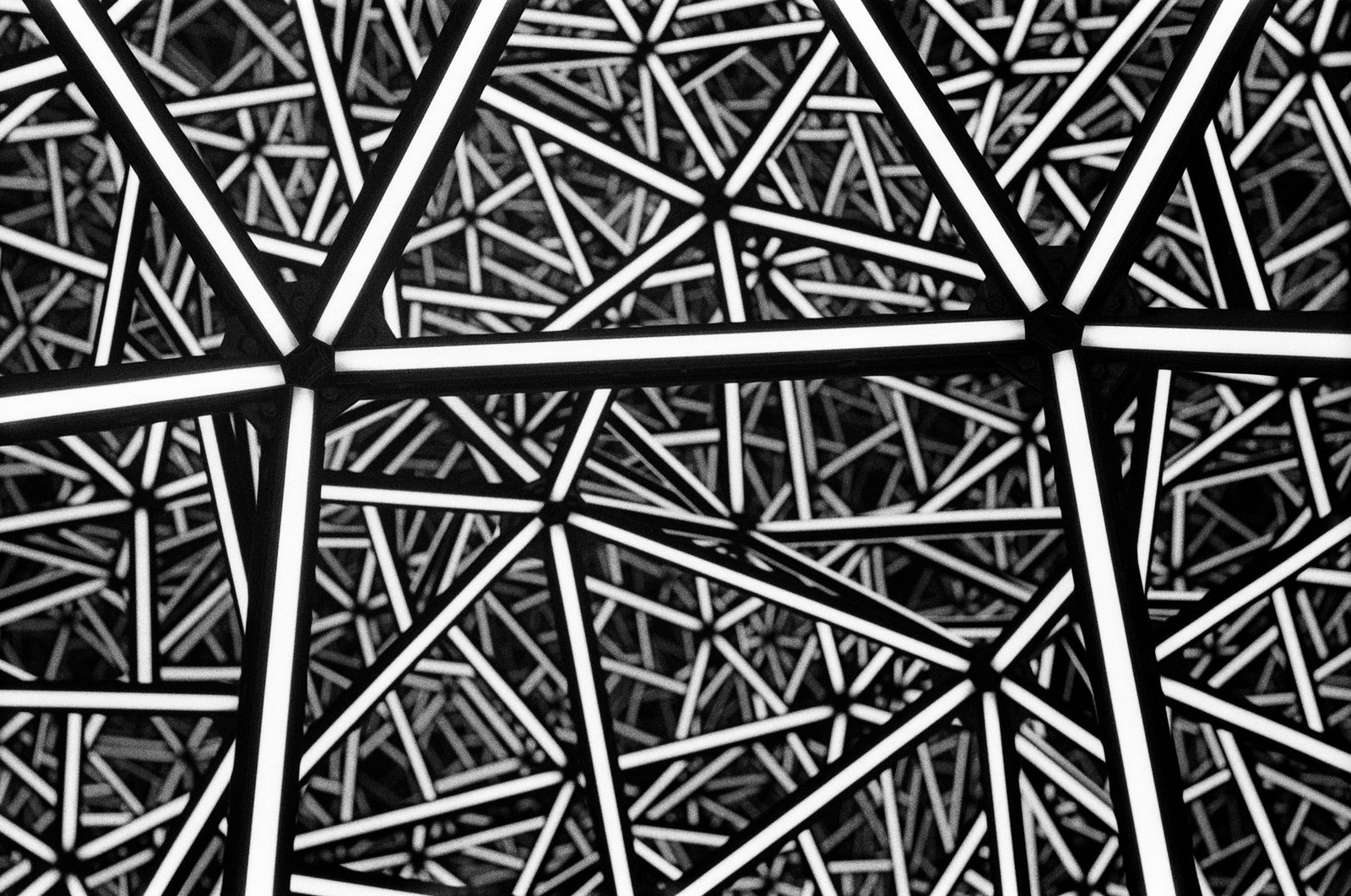
One installation in particular completely held my attention. A mirrored sphere surrounded by fluorescent tubes produced what appeared to be endless reflections stretching infinitely into the distance. The effect was oddly hypnotic. It became difficult to judge where the room ended and the reflections began. People moved through the space almost like silhouettes trapped inside some kind of repeating visual loop.
It was one of those rare moments where photographing the environment became more interesting than photographing the artwork itself.
Normally, I dislike taking photographs of other people’s art. It can often feel lazy creatively, almost like borrowing someone else’s ideas rather than creating your own images. Inside the Moco, however, I found myself much more interested in the interaction between people and the installations.
People staring upwards into artificial light.
People becoming silhouettes against projected patterns.
People pausing momentarily inside these strange futuristic spaces before moving on to the next room.
In many ways, the visitors became part of the exhibition itself.
This was also where the Voigtländer Bessa R really came into its own.
One of the reasons I chose the Bessa for the trip was simply its size. In busy environments, particularly indoors, I prefer cameras that feel discreet and unobtrusive. Larger digital cameras can sometimes alter the behaviour of people around you the moment they notice them. The Bessa, by comparison, feels quiet. Almost invisible at times.
That allowed me to work quickly and react naturally without feeling self-conscious.
Most of the gallery was relatively dark, which meant slower shutter speeds than I would normally choose, but rather than fighting against that I decided to embrace it. Film has a way of softening imperfections that digital often exposes too brutally. Slight blur, grain, and deep contrast somehow suited the atmosphere of the gallery perfectly.
I found myself pre-focusing frequently, estimating distances and waiting for people to move into the frame rather than chasing compositions aggressively. With only a limited number of exposures available, the process naturally became more selective.
Interestingly, I barely photographed London itself outside the galleries.
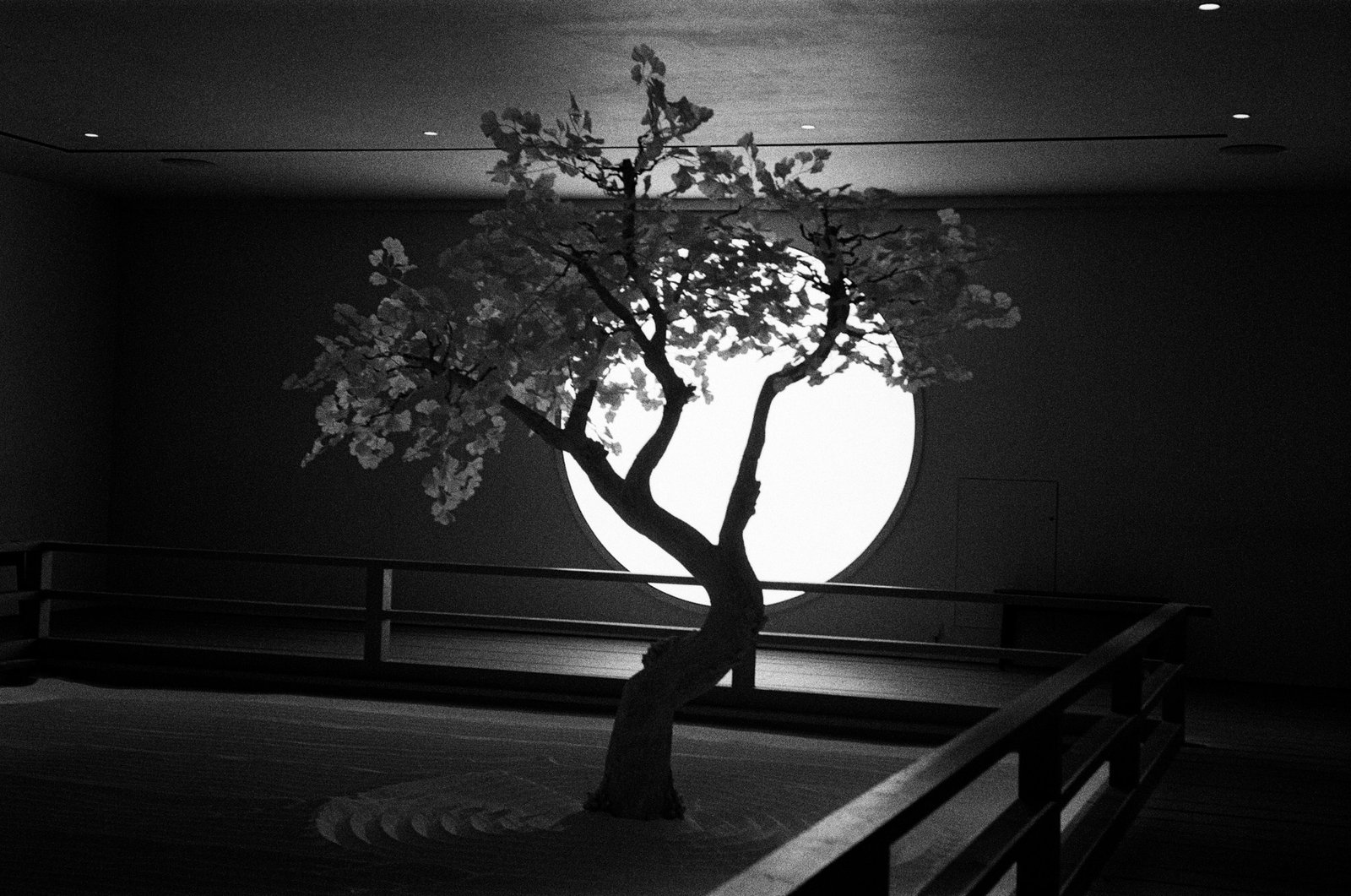
Moco gallery-3
0 Comments